Sewer Line Replacement Timelines: How Long You'll Actually Be Without Plumbing (and What We Do to Minimize It)
May 13, 2026
Sewer line replacement is one of the most disruptive plumbing projects a homeowner can face, and one of the first concerns is always the same: how long will plumbing be unavailable? The answer depends on several variables, including the condition of the existing line, the replacement method, soil conditions, and accessibility. While some projects can be completed in a single day, others may take several days or more. Understanding realistic timelines helps set expectations, reduce stress, and allow for proper planning during the process. It also helps homeowners make informed decisions about scheduling, budgeting, and temporary living arrangements if needed. Having clarity upfront prevents unexpected surprises and ensures a smoother overall experience during what can otherwise feel like a major inconvenience.
In today’s plumbing industry, advancements in diagnostics and repair techniques have significantly reduced downtime compared to traditional methods. Modern approaches such as trenchless replacement and precise excavation strategies allow us to restore functionality faster while minimizing disruption to daily life. However, no two sewer line replacements are identical, and timelines can vary based on complexity. By breaking down each stage of the process and highlighting how delays are minimized, homeowners gain a clearer picture of what to expect and how professional planning ensures plumbing is restored as quickly and efficiently as possible. This level of transparency also builds confidence in the process, helping homeowners feel more in control. With the right approach, even complex replacements can be managed with minimal impact on daily routines.
1. Understanding Sewer Line Replacement Timelines
What Determines the Duration of a Replacement?
Sewer line replacement timelines are influenced by multiple technical and environmental factors. The length and depth of the pipe, soil composition, presence of tree roots, and proximity to structures all affect how quickly work can be completed. A short, shallow residential line may be replaced within a day, while deeper or obstructed systems require more time.
Another key factor is the method used. Traditional excavation often takes longer due to digging, removal, and restoration work. In contrast, trenchless methods can significantly reduce the timeline by limiting surface disruption. Accessibility also plays a major role. If the sewer line runs beneath driveways, landscaping, or structures, additional preparation and restoration extend the project duration.
Typical Timeline Breakdown
Most sewer line replacements follow a structured timeline. Initial inspection and permitting can take one to two days. The replacement itself may range from one to three days, depending on complexity. Final testing and site restoration can add another day. In straightforward cases, plumbing downtime may last only 24 hours, while more complex scenarios may extend to 72 hours or longer.
Understanding these stages helps homeowners prepare for temporary disruptions while recognizing that most delays are tied to ensuring long-term reliability rather than inefficiency.
2. Step-by-Step Process and Where Time Is Spent
Inspection and Diagnosis
The process begins with a detailed inspection using camera technology to identify the exact problem. This step is critical because accurate diagnosis prevents unnecessary excavation and ensures the right repair method is selected. While inspection itself is quick, reviewing findings and planning the replacement adds time but ultimately saves delays later.
Excavation or Access Preparation
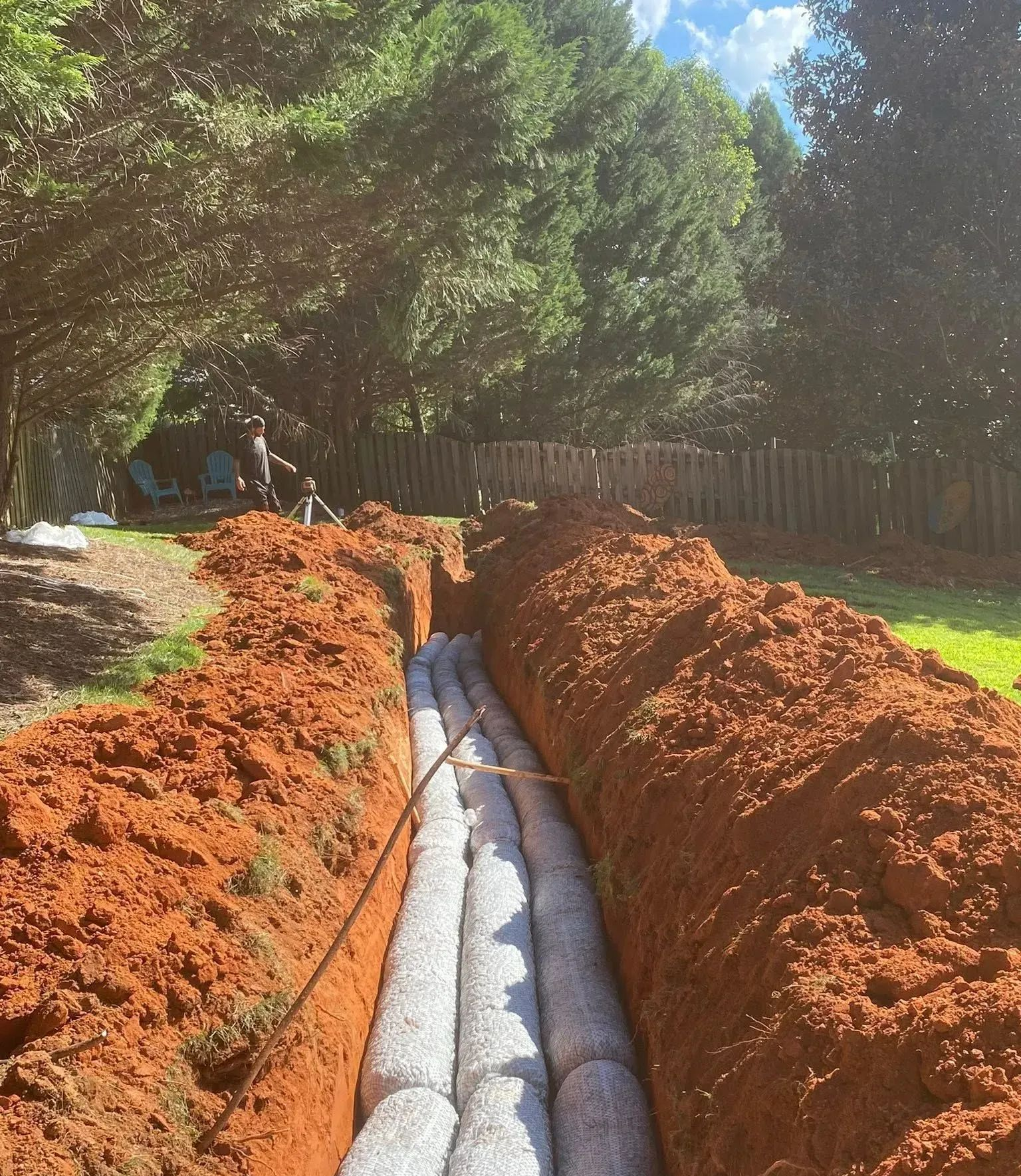
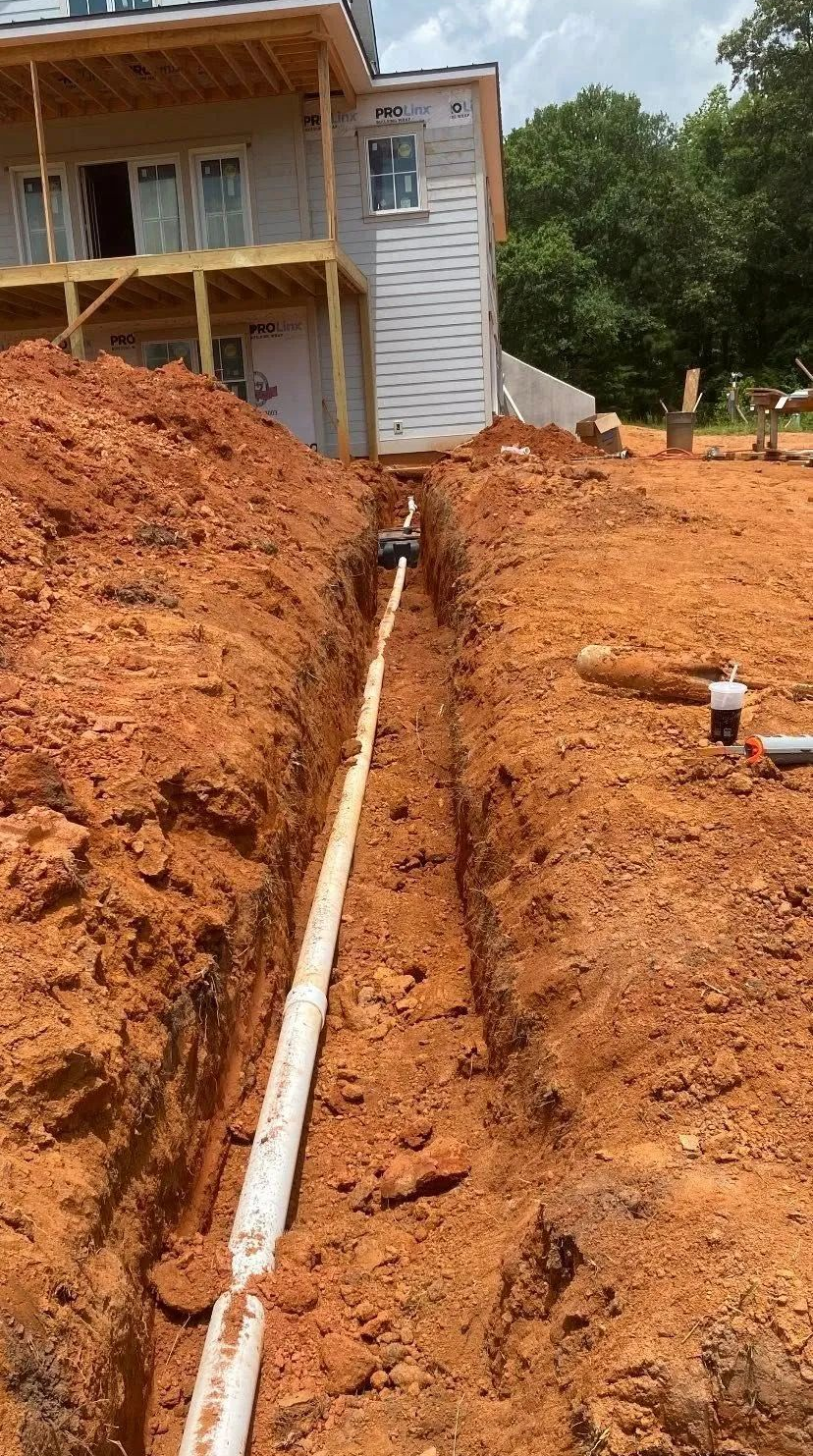
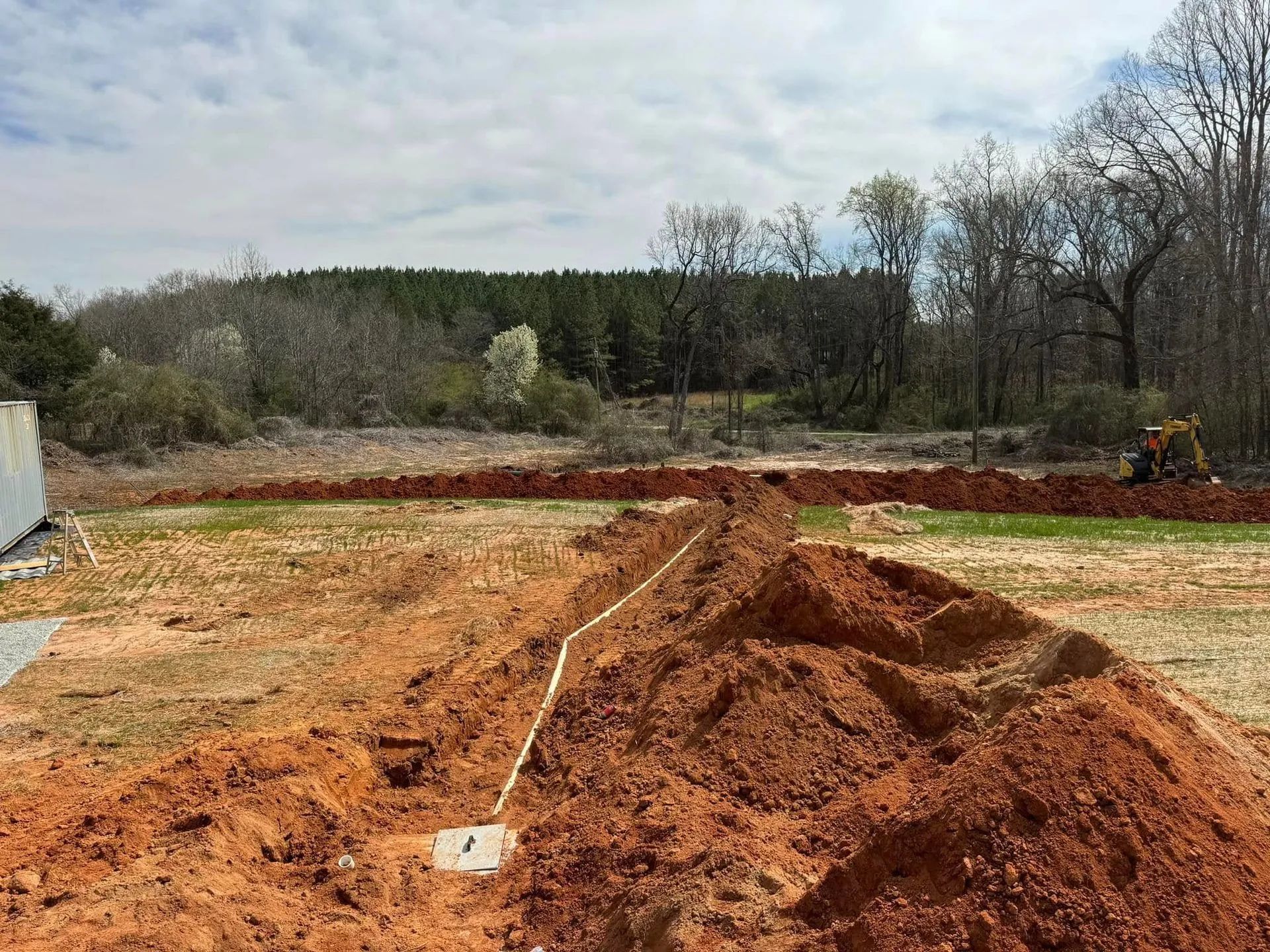
For traditional replacements, excavation is the most time-consuming phase. Digging trenches, removing old piping, and preparing the area for new installation can take one to two days depending on soil conditions and depth. If trenchless methods are used, only small access points are needed, significantly reducing this phase.
Pipe Installation and Connection
Installing the new sewer line is typically faster than excavation. Modern materials such as PVC or cured-in-place pipes allow for efficient installation. This stage usually takes less than a day in straightforward cases but may extend if connections to existing plumbing systems require adjustments.
Testing and Restoration
Once installation is complete, the system must be tested to ensure proper flow and sealing. After testing, the site is restored, including backfilling trenches and repairing landscaping or pavement. Restoration can take several hours to a full day, depending on the extent of excavation.
3. How Long You’ll Actually Be Without Plumbing
Average Downtime Expectations
In most residential sewer line replacement projects, plumbing downtime is shorter than the overall project timeline. Water usage is typically restricted only during critical phases such as pipe removal and reconnection. On average, homeowners may be without full plumbing access for 6 to 24 hours.
In more complex cases involving extensive excavation or multiple connection points, downtime may extend to 48–72 hours. However, partial functionality is often restored sooner, allowing limited use of fixtures while final work is completed.
Factors That Extend Downtime
Certain conditions can increase the duration without plumbing. Severe pipe damage, collapsed lines, or unexpected obstructions may require additional excavation or redesign. Weather conditions, especially heavy rain, can also delay progress by affecting soil stability.
Permit approvals and inspections can contribute to delays as well, particularly if multiple agencies are involved. However, these steps are essential to ensure compliance and long-term system performance.
Real-World Scenario
Consider a homeowner with a collapsed sewer line beneath a driveway. Traditional excavation requires breaking concrete, replacing the pipe, and restoring the surface. While the entire project may take three days, plumbing may only be unavailable for one day during the critical replacement phase. The remaining time is spent on restoration rather than system downtime.
4. Strategies We Use to Minimize Plumbing Disruption
Advanced Diagnostic Tools
Accurate diagnostics reduce unnecessary work and prevent delays. By pinpointing the exact location and cause of the problem, we avoid trial-and-error excavation. This precision shortens both the timeline and the duration of plumbing disruption.
Trenchless Technology
Whenever possible, trenchless methods are used to replace sewer lines with minimal digging. Techniques such as pipe bursting or lining allow for faster installation and reduced downtime. These methods often restore plumbing within the same day, making them a preferred option when conditions allow.
Efficient Project Planning
Careful scheduling ensures that all materials, permits, and equipment are ready before work begins. By coordinating each phase in advance, we eliminate unnecessary waiting periods and keep the project moving efficiently.
Temporary Solutions
In some cases, temporary plumbing solutions can be implemented to maintain limited functionality during the replacement process. This may include temporary bypass systems or scheduling work in phases to reduce complete shutdown periods.
5. Best Practices for Homeowners During Replacement
Preparing for Downtime
Planning ahead is essential to minimize inconvenience. Homeowners should limit water usage before the project begins and store necessary water for essential needs. Arranging alternative accommodations or access to facilities can also help during extended downtime.
Protecting Property and Access
Clearing the work area and providing easy access to the sewer line location helps speed up the process. Removing obstacles such as vehicles, outdoor furniture, or landscaping features reduces delays and ensures efficient excavation or access.
Communication and Expectations
Maintaining clear communication throughout the project is critical. Understanding the timeline, potential delays, and progress updates helps homeowners stay informed and prepared. Asking questions and addressing concerns early prevents misunderstandings and ensures a smoother experience.
Post-Replacement Care
After the sewer line is replaced, proper maintenance helps prevent future issues. Avoiding grease buildup, monitoring tree root growth, and scheduling periodic inspections extend the lifespan of the new system and reduce the likelihood of future disruptions.
6. Benefits of Professional Sewer Line Replacement Planning
Reduced Downtime and Stress
Professional planning minimizes disruption by streamlining each phase of the project. Efficient coordination ensures that plumbing is restored as quickly as possible, reducing stress for homeowners.
Long-Term Reliability
A properly executed sewer line replacement provides long-term reliability, preventing recurring issues and costly repairs. Investing time in thorough planning and quality installation ensures that the system performs effectively for years.
Cost Efficiency
While faster timelines are important, quality should never be compromised. Professional planning balances speed with precision, avoiding mistakes that could lead to additional repairs or extended downtime.
Safety and Compliance
Adhering to local regulations and safety standards is essential during sewer line replacement. Proper permits, inspections, and installation practices ensure that the system meets all requirements and operates safely.
Reliable Sewer Line Replacement Backed by Proven Industry Expertise
Sewer line replacement timelines vary based on complexity, method, and environmental conditions, but understanding each phase helps set realistic expectations. While the overall project may span several days, actual plumbing downtime is often much shorter, typically limited to critical installation periods. Modern techniques, efficient planning, and advanced diagnostics have significantly reduced disruption, allowing homeowners to regain functionality faster than ever before. By preparing in advance, maintaining clear communication, and choosing experienced professionals, homeowners can navigate the process with confidence. A well-executed sewer line replacement not only restores plumbing but also ensures long-term reliability, making the temporary inconvenience worthwhile.
When it comes to dependable sewer line replacement, Tri-City Septic
in Anderson, South Carolina stands as a trusted authority with over 10
years of experience. We prioritize efficiency, precision, and customer-focused solutions to minimize downtime and restore plumbing quickly. Our approach combines advanced technology with proven methods, ensuring every project is completed with long-term reliability in mind. By focusing on clear communication, thorough planning, and high-quality workmanship, we deliver results that homeowners can rely on. Choosing an experienced provider ensures that sewer line replacement is handled professionally, reducing stress and protecting the integrity of the entire plumbing system.