Sewer Line or Septic Line? Why the Difference Matters for Anderson, SC Homeowners on Both Systems
April 20, 2026
Understanding how wastewater is managed on a property is essential for homeowners making long-term decisions about maintenance, upgrades, and property value. In Anderson, South Carolina, properties typically rely on either a municipal sewer line or a private septic system. While both systems serve the same purpose—transporting and treating wastewater—they operate in fundamentally different ways. These differences influence everything from installation costs and maintenance responsibilities to environmental impact and regulatory compliance. For homeowners, knowing which system is in place is only the beginning; understanding how it functions and what it demands over time is what truly protects an investment.
The distinction between sewer lines and septic systems becomes especially important when considering repairs, property purchases, or system upgrades. Each system comes with its own advantages, limitations, and risks, particularly in areas where infrastructure availability varies. Homeowners in Anderson must weigh factors such as soil conditions, proximity to municipal lines, and long-term expenses. By examining how each system works and why the differences matter, homeowners can make informed decisions that ensure efficiency, safety, and cost-effectiveness for years to come.
1. Understanding the Basics of Sewer and Septic Systems
How Sewer Line Systems Operate
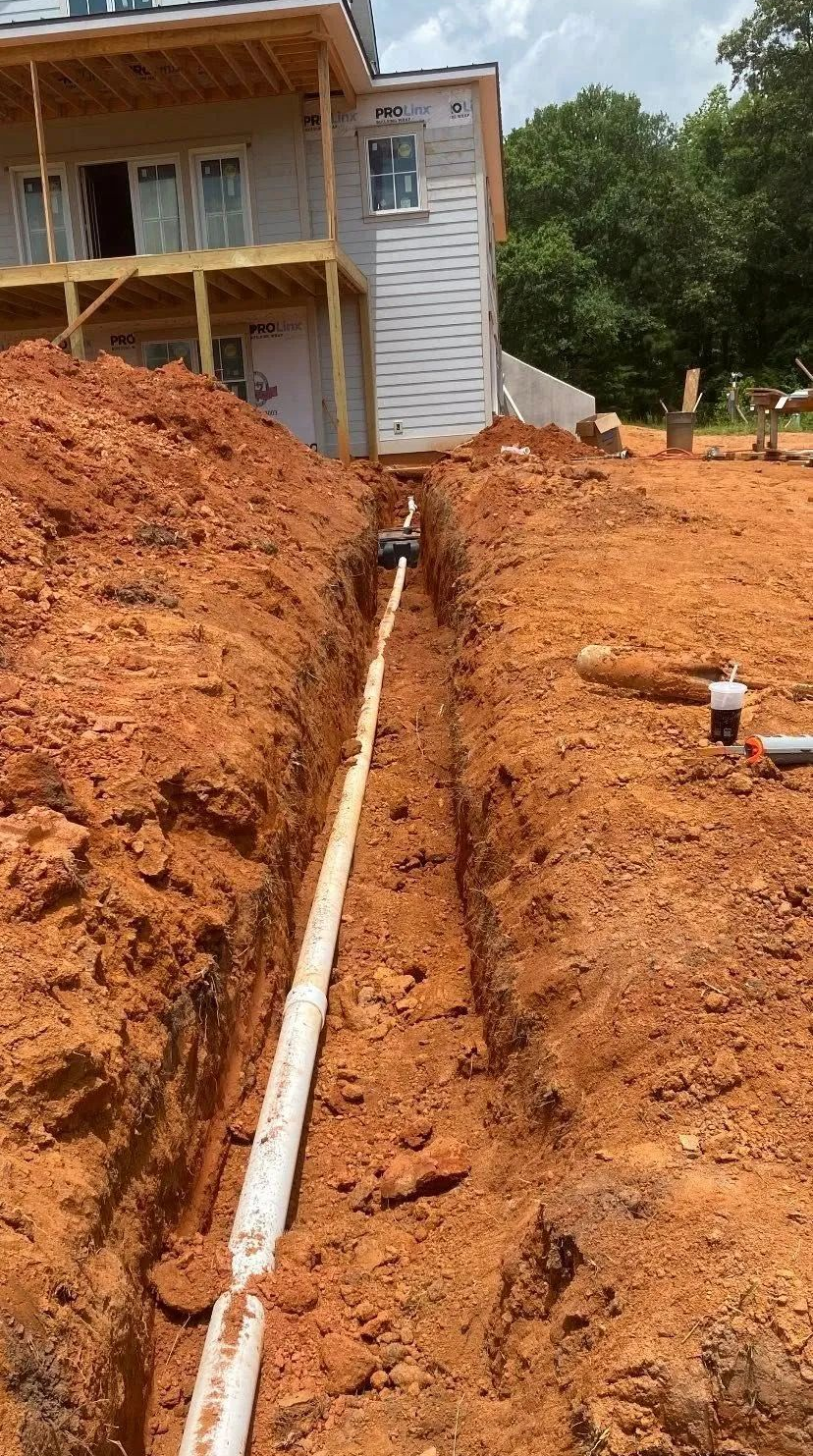
A sewer system connects a property to a municipal wastewater network. Wastewater flows through underground pipes to a centralized treatment facility, where it is processed and released safely using advanced filtration and treatment technologies. This system is typically managed by local authorities, meaning homeowners are responsible only for the portion of the pipe running from the home to the main connection.
Sewer systems are common in urban and suburban areas where infrastructure supports centralized waste management efficiently and consistently. Once connected, homeowners benefit from minimal direct involvement in treatment processes, reducing daily responsibility and long-term operational concerns significantly.
How Septic Systems Function
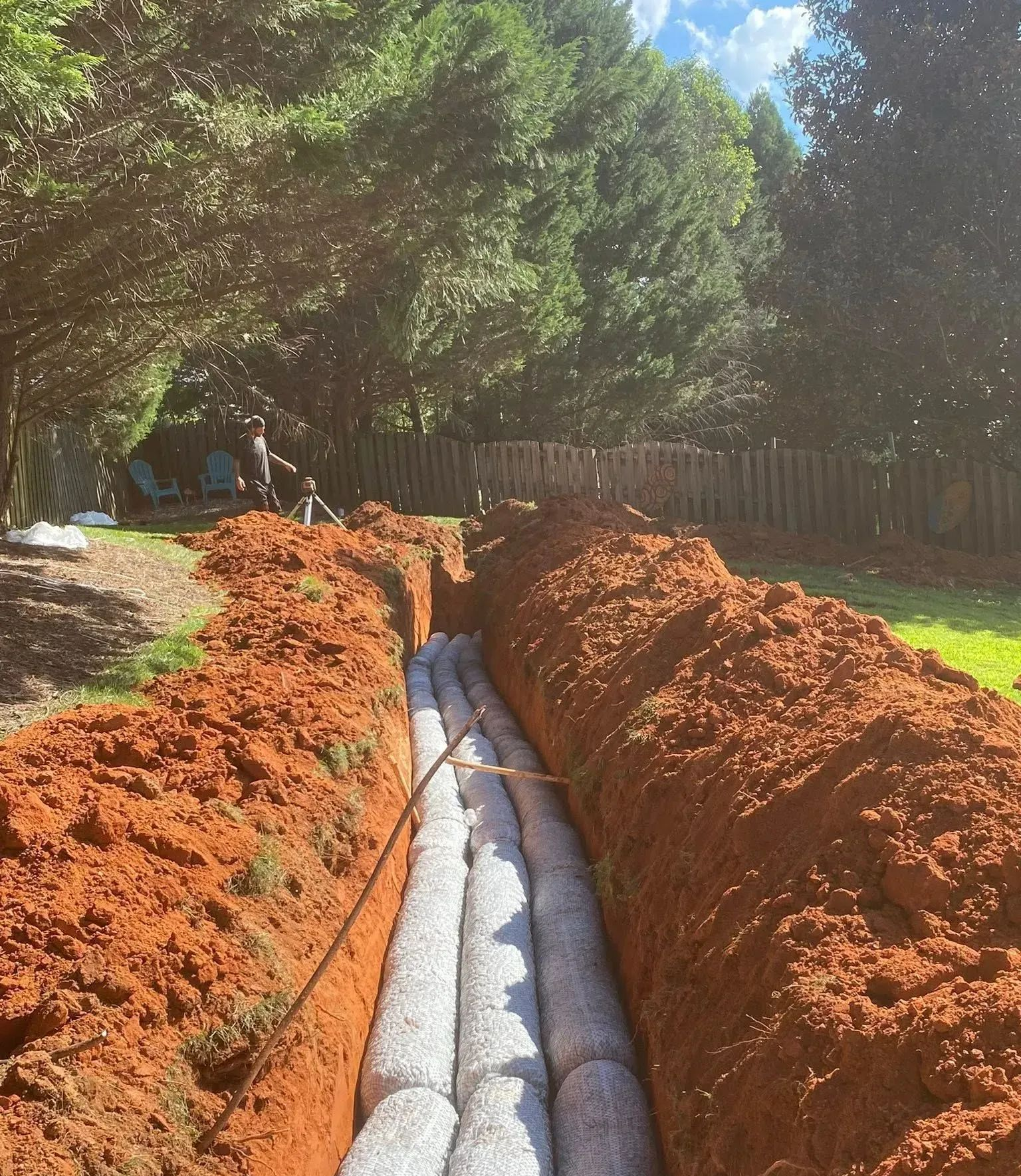
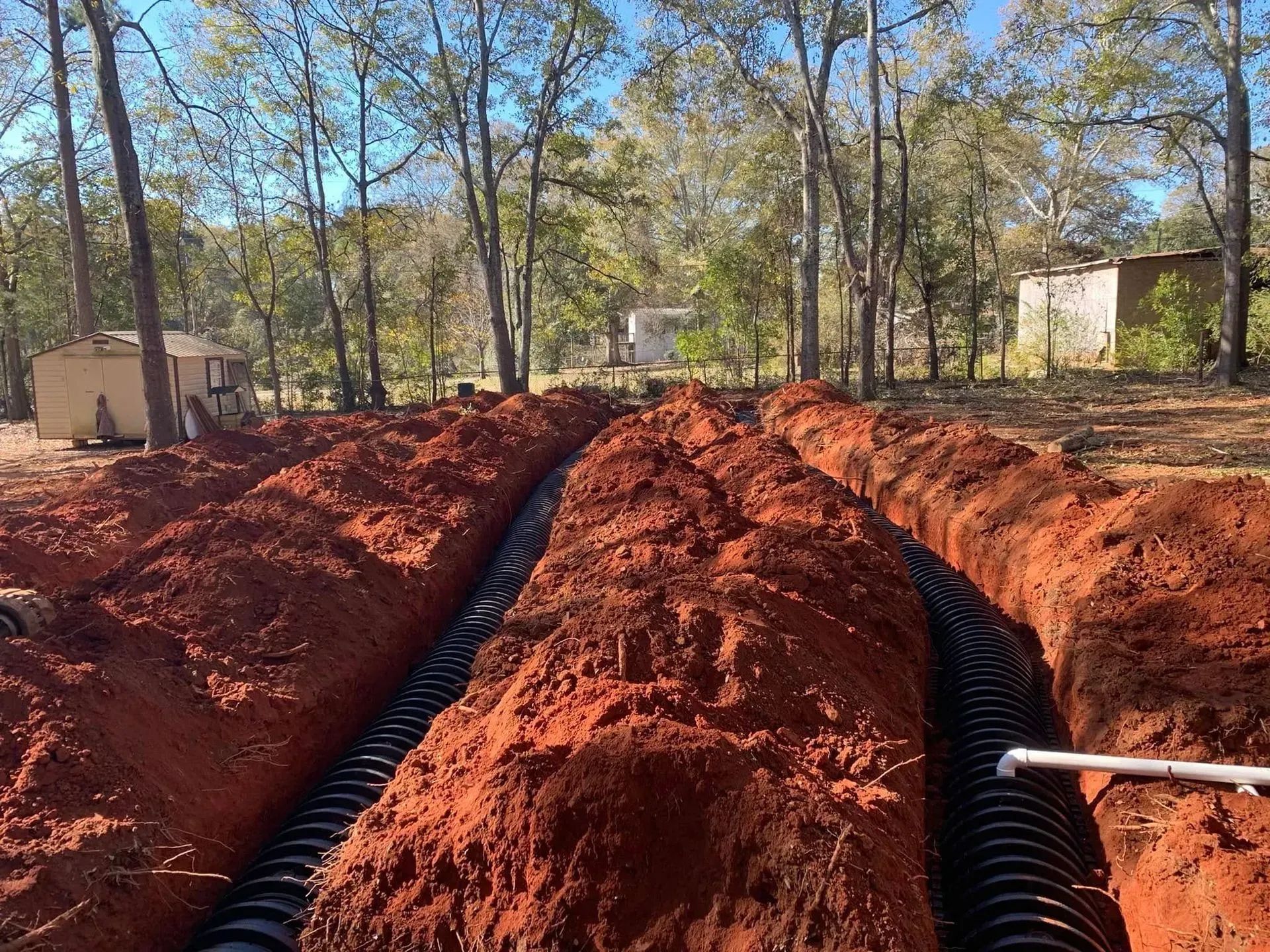
Septic systems, on the other hand, are self-contained wastewater treatment systems installed on private property, designed for independent waste management. Wastewater flows into a septic tank, where solids settle, and liquids move into a drain field for natural filtration through soil layers over time.
Unlike sewer systems, septic systems require ongoing maintenance and monitoring to ensure proper functionality and prevent costly failures. Homeowners are responsible for ensuring the system operates efficiently, which includes regular pumping, inspections, and mindful usage habits throughout the year.
2. Key Differences That Impact Homeowners
Maintenance Responsibilities
One of the most significant differences lies in maintenance obligations and long-term system care requirements for homeowners. Sewer systems require little involvement beyond occasional inspections or repairs to the connection line, making them relatively low-maintenance overall. In contrast, septic systems demand routine pumping, typically every 3–5 years, depending on usage and household size.
Neglecting septic maintenance can lead to system failure, costly repairs, and environmental hazards that may affect surrounding areas. Homeowners must remain proactive to avoid these issues and ensure the system continues functioning efficiently without unexpected disruptions.
Cost Considerations
Initial and long-term costs vary significantly between the two systems, depending on installation complexity and ongoing service requirements. Connecting to a sewer line often involves upfront installation fees and ongoing monthly utility charges that accumulate over time. Septic systems, while eliminating monthly bills, require periodic maintenance and potential repairs that can add up gradually.
Over time, the cost balance depends on factors such as system lifespan, usage patterns, and maintenance consistency across years. Homeowners must evaluate both short-term affordability and long-term financial impact to make a well-informed and practical decision.
Environmental Impact
Septic systems rely on natural filtration, which can be environmentally beneficial when properly maintained and managed responsibly. However, system failures can contaminate groundwater and nearby water sources, posing risks to both health and the environment.
Sewer systems reduce the risk of localized contamination but depend on large-scale treatment facilities that require significant energy and infrastructure. Each system carries environmental considerations that homeowners should understand when evaluating sustainability and long-term ecological impact.
3. Local Factors Affecting System Choice in Anderson
Soil Composition and Drainage
Soil conditions play a critical role in determining whether a septic system is viable for a specific property location. In areas with poor drainage or high clay content, septic systems may struggle to function effectively, leading to frequent operational issues.
Properties with suitable soil conditions benefit from efficient filtration and reduced risk of system failure over time. Soil testing is essential before installing or maintaining a septic system to ensure compatibility and long-term reliability.
Access to Municipal Infrastructure
Not all areas in Anderson have access to municipal sewer lines due to varying levels of infrastructure development. Rural properties often rely on septic systems due to the absence of nearby infrastructure and centralized wastewater services.
When sewer lines are available, homeowners may have the option to connect, which can increase property value and reduce maintenance responsibilities significantly. However, connection costs and feasibility must be carefully evaluated before making a final decision.
Property Size and Layout
Septic systems require adequate space for both the tank and the drain field to function effectively and safely. Smaller properties may face limitations, making sewer connections a more practical and efficient option in such cases.
Larger properties often accommodate septic systems more easily, providing flexibility in installation, placement, and long-term maintenance considerations. Property layout influences system choice and overall usability for years to come.
4. Common Problems and How to Prevent Them
Sewer Line Issues
Sewer lines can experience blockages, root intrusion, and pipe deterioration over time due to aging infrastructure and external factors. Tree roots are a common cause of damage, as they seek moisture and infiltrate pipes through small cracks and weak points.
Preventive measures include regular inspections, avoiding flushing non-degradable materials, and monitoring signs of slow drainage or backups in the system. Taking early action helps minimize damage and prevent costly repairs or replacements later.
Septic System Failures
Septic systems are vulnerable to overloading, improper waste disposal, and lack of maintenance over extended periods of time. Excessive water usage can overwhelm the system, while flushing harmful substances can disrupt bacterial balance within the tank.
Preventing septic issues involves mindful water usage, proper waste disposal, and routine pumping performed by experienced professionals. Early detection of problems can significantly reduce repair costs and prevent major system failures.
5. Long-Term Value and Property Considerations
Impact on Property Value
Properties connected to municipal sewer systems often appeal to buyers seeking convenience and reduced maintenance responsibilities overall. However, well-maintained septic systems can also add value, particularly in rural areas where they are commonly used.
Buyers prioritize reliability and condition over system type when evaluating a property for purchase. Documentation of maintenance and inspections plays a crucial role in building buyer confidence and supporting successful transactions.
Longevity and System Lifespan
Sewer systems generally have a long lifespan with minimal homeowner involvement when properly installed and maintained. Septic systems, while durable, require consistent care to reach their full lifespan, which can exceed 20–30 years.
Neglecting maintenance shortens system life and increases the likelihood of costly replacements and unexpected failures. Investing in regular upkeep ensures long-term functionality and dependable performance over time.
Flexibility for Future Upgrades
Homeowners considering renovations or expansions must account for system capacity and potential limitations before starting projects. Sewer systems typically accommodate increased usage more easily due to centralized infrastructure and larger capacity.
Septic systems may require upgrades or modifications to handle additional demand from expanded living spaces or increased occupancy. Planning ahead prevents complications and ensures the system can support future needs effectively.
6. Best Practices for Managing Either System
Routine Inspections and Monitoring
Regular inspections are essential for identifying potential issues early and maintaining system performance over time. Sewer lines benefit from periodic camera inspections, while septic systems require professional evaluations to assess tank and drain field conditions thoroughly.
Proactive monitoring reduces the risk of unexpected failures and costly repairs, helping homeowners maintain consistent and reliable wastewater management systems.
Responsible Usage Habits
Proper usage habits significantly impact system performance and long-term reliability for both sewer and septic systems. Avoid flushing non-biodegradable items, grease, or chemicals that can damage pipes or disrupt septic processes.
Water conservation also plays a role, particularly for septic systems, where excessive usage can strain the system and reduce efficiency. Consistent habits contribute to improved performance and reduced maintenance needs.
Professional Support and Expertise
Working with experienced professionals ensures accurate assessments and reliable solutions for both sewer and septic system concerns. Whether dealing with sewer line repairs or septic maintenance, expert guidance helps homeowners make informed and confident decisions.
Reliable Wastewater Solutions from Skilled Industry Professionals
Choosing between a sewer line and a septic system involves more than understanding basic functionality. It requires careful consideration of maintenance responsibilities, costs, environmental impact, and local conditions. Homeowners in Anderson must evaluate these factors to determine which system aligns with property needs and long-term goals. By recognizing the differences and adopting best practices, homeowners can avoid common pitfalls and ensure efficient wastewater management.
For homeowners seeking dependable solutions, Tri-City Septic
in Anderson, South Carolina brings over 10
years of hands-on experience in septic and wastewater management. With a strong understanding of local conditions and system requirements, we provide reliable guidance, maintenance, and repair services tailored to each property. Our commitment to quality and precision ensures that every system operates efficiently and safely. By choosing a trusted provider, homeowners gain confidence in their wastewater systems and long-term peace of mind.