What a Distribution Box Does and Why It Matters for Your Septic System?
February 22, 2026
A septic system is more than just a tank buried in your yard; it is a carefully engineered system designed to manage household wastewater efficiently. While many homeowners focus primarily on the septic tank itself, one often-overlooked component plays a crucial role in maintaining system balance and longevity: the distribution box. This essential element ensures that treated wastewater is evenly dispersed into the drain field, preventing uneven saturation, soil compaction, and potential system failure. Understanding the function and significance of a distribution box is vital for both homeowners and professionals in the wastewater management industry.
Neglecting the distribution box can lead to costly repairs and reduced efficiency of your septic system. Unlike the tank, which primarily handles the separation and initial treatment of waste, the distribution box acts as a critical mediator between the tank and the leach field. Its primary role is to direct effluent evenly across all leach lines, ensuring that the soil absorbs and treats wastewater effectively. In this blog, we will explore what a distribution box does, why it is indispensable for septic system performance, and how proper maintenance and design can prevent common problems while extending the lifespan of your system.
Understanding the Role of a Distribution Box
What Is a Distribution Box?
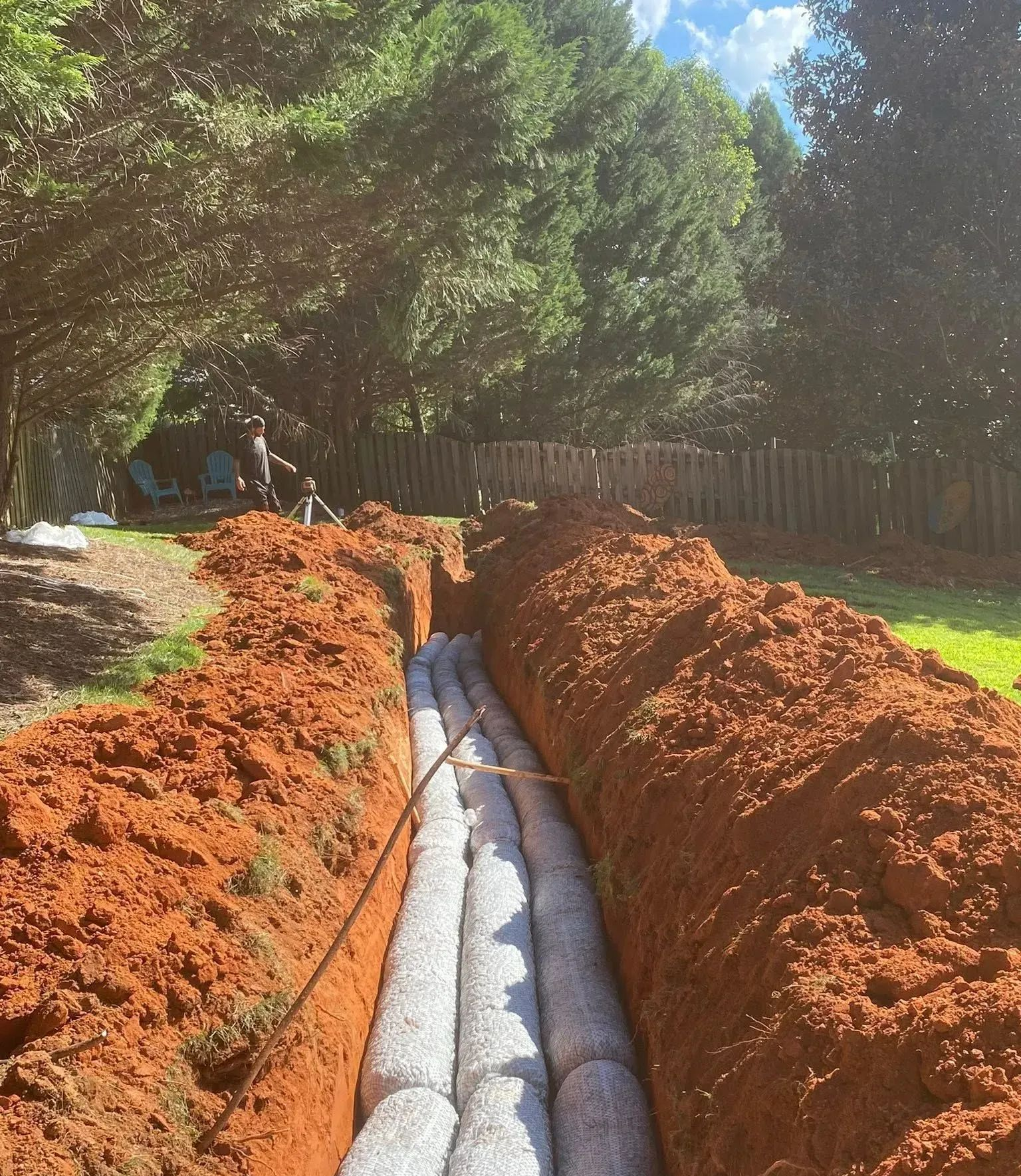
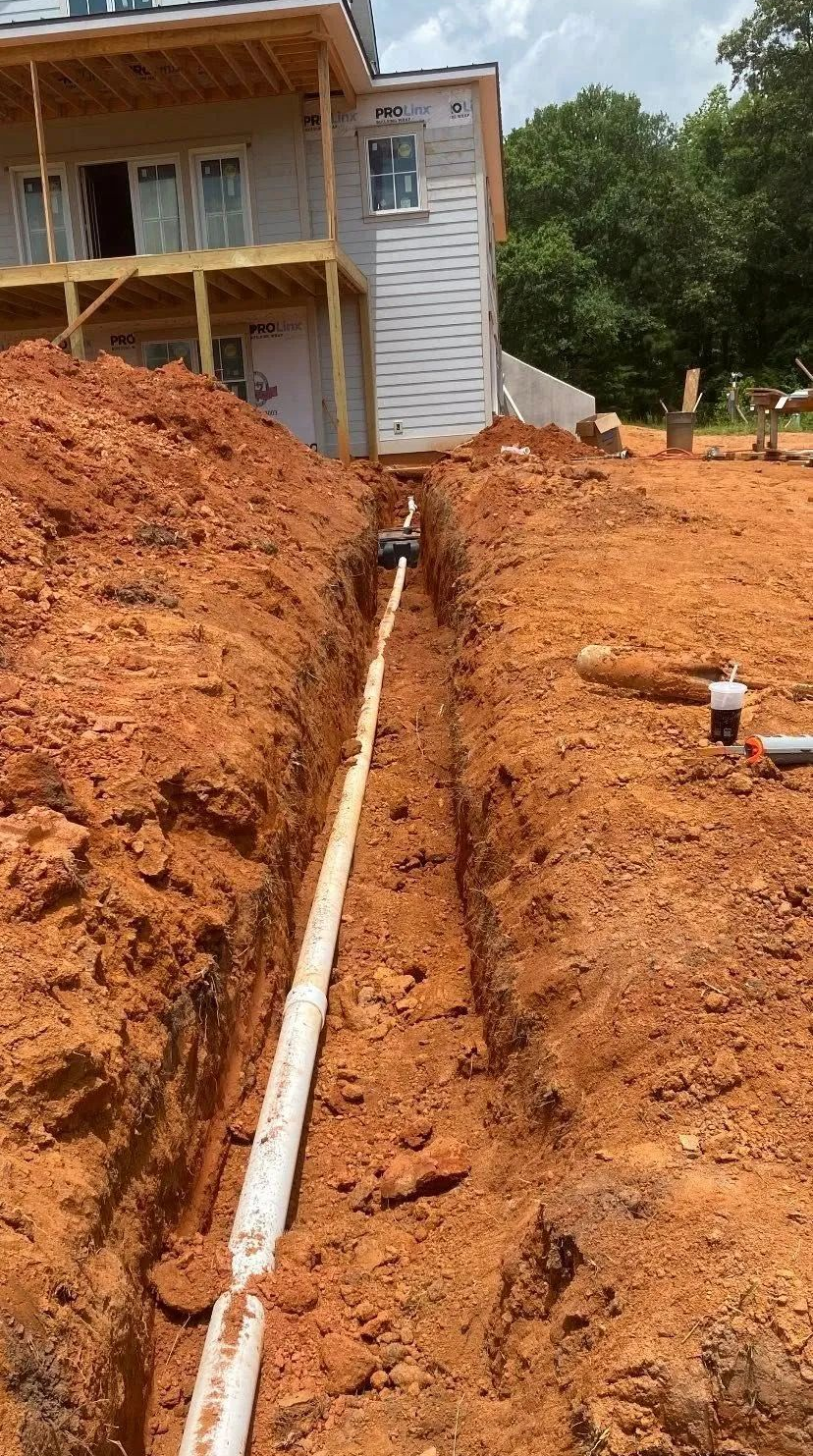
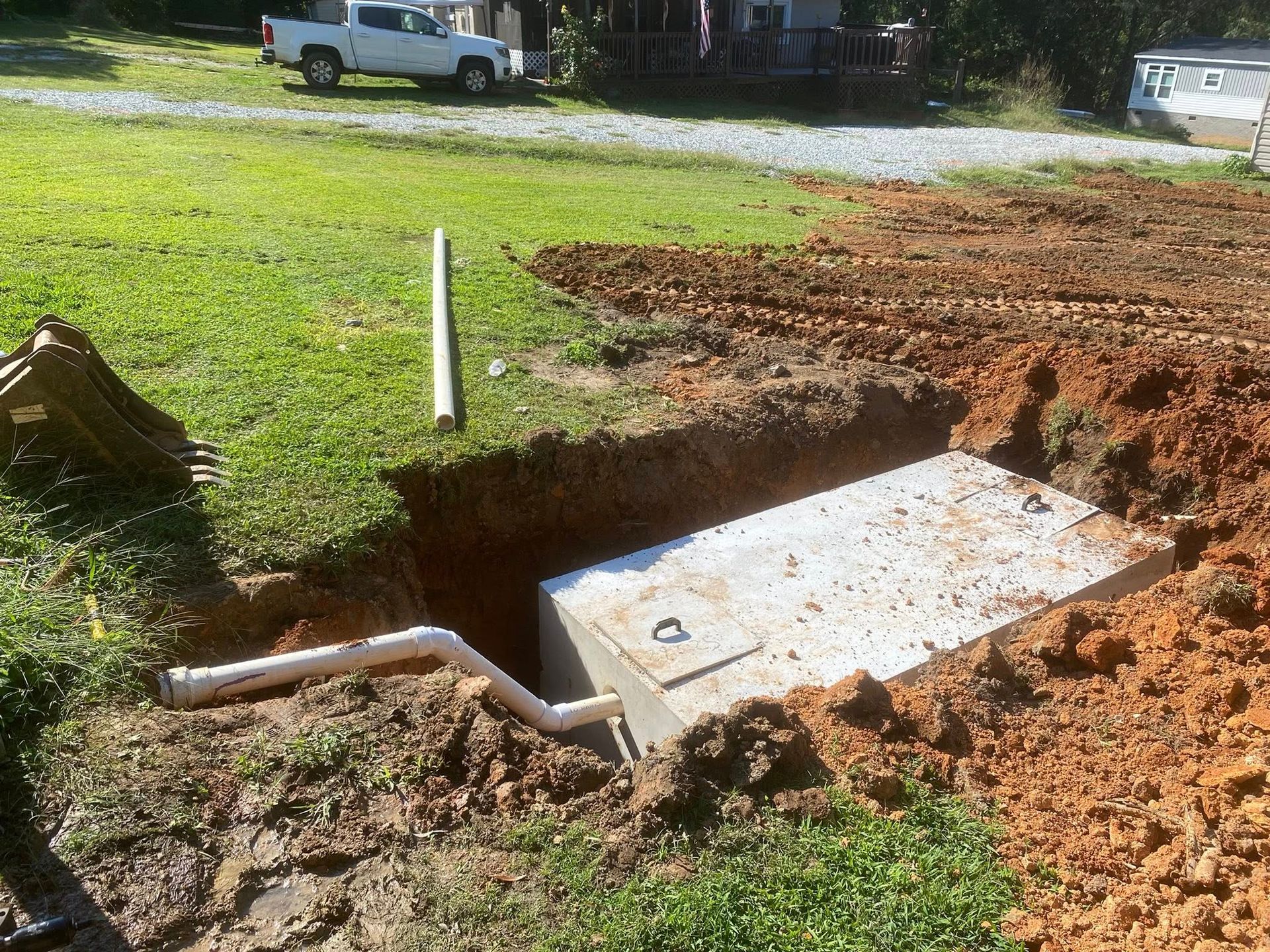
A distribution box, often referred to as a D-box, is a small, watertight chamber located between a septic tank and the leach field. Typically made of concrete, plastic, or fiberglass, its purpose is simple yet crucial: it evenly distributes the effluent from the septic tank to multiple drain lines in the leach field. Without this balancing act, some areas of the field may receive too much wastewater while others remain underutilized, leading to uneven soil saturation, pooling, and potential system failure.
How the Distribution Box Works
Inside the distribution box, effluent enters through an inlet pipe connected to the septic tank. Gravity or engineered slope guides the wastewater into multiple outlet pipes that run to different sections of the drain field. The design ensures a consistent flow rate across all lines, reducing stress on the soil and maintaining proper percolation. Proper function relies on precise leveling of the box; if it is tilted, some lines may receive excessive flow, while others remain dry. This even distribution is critical to the long-term performance of the leach field and the overall septic system.
Key Benefits of a Distribution Box
- Even Effluent Distribution: Prevents overloading certain areas of the drain field.
- Prolongs System Lifespan: Reduces the risk of clogging, pooling, and premature failure.
- Simplifies Maintenance: Provides a single access point to inspect flow distribution.
- Enhances Environmental Safety: Prevents untreated wastewater from surfacing and contaminating surrounding soil and groundwater.
The Importance of Proper Placement and Installation
Choosing the Right Location
The placement of a distribution box directly affects system efficiency. It must be located at a point where the effluent can easily flow from the septic tank to all drain lines. Ideally, it should sit on a stable, well-drained surface to prevent shifting or settling over time. Environmental factors, such as soil type, slope, and groundwater levels, should be carefully considered to optimize performance and prevent future issues.
Installation Best Practices
Proper installation is essential for the box to function correctly. Experts recommend the following best practices:
- Leveling: The distribution box must be perfectly level to ensure equal flow to all drain lines.
- Secure Connections: Inlet and outlet pipes should be tightly connected and watertight to prevent leaks.
- Access Port: Include a removable lid for inspection and maintenance.
- Corrosion-Resistant Materials: Using durable materials like precast concrete or heavy-duty plastic enhances longevity and reduces repair needs.
Real-World Scenario
Consider a homeowner whose distribution box was installed slightly off-level. Over time, one drain line received the majority of effluent, causing that portion of the leach field to become saturated, while other lines remained dry. This imbalance led to pooling near the saturated area and eventual clogging of the system. Correcting the level of the D-box restored balance, prevented further damage, and prolonged the life of the septic system. This scenario underscores the importance of precise installation.
Common Issues with Distribution Boxes
Uneven Distribution
One of the most frequent problems arises from uneven distribution of effluent, often caused by a tilted or blocked box. When certain lines are overloaded, soil absorption slows, leading to surface pooling or backflow into the septic tank. Regular inspections can detect uneven flow before it becomes a major issue.
Clogging and Sediment Build-Up
While the septic tank handles solids, small particles can still enter the distribution box. Over time, sediment or debris can accumulate around outlet pipes, reducing flow efficiency. Periodic cleaning or inspection of the D-box helps prevent blockages that can compromise the entire leach field.
Structural Damage
Concrete boxes may crack due to shifting soil or root intrusion, while plastic boxes can warp or break under pressure. Any structural damage can disrupt flow, allowing effluent to pool in one area. Prompt repair or replacement ensures that the system continues functioning safely and effectively.
Environmental Factors
Heavy rainfall, flooding, or high groundwater levels can overwhelm a poorly designed distribution box, causing uneven distribution or surface runoff. Designing the system with appropriate elevation, protective barriers, and adequate drainage mitigates these risks.
Maintenance and Inspection Practices
Routine Inspection
Regular inspection is critical for a distribution box to perform optimally. Homeowners and service providers should inspect the box at least once a year, checking for:
- Blocked or leaking pipes
- Cracks or structural damage
- Uneven distribution flow
- Signs of sediment accumulation
Cleaning and Flushing
Cleaning involves removing accumulated sludge or debris from the box and outlet pipes. For minor sediment buildup, homeowners can use a garden hose or professional flushing services. For severe clogging, certified septic service providers may need to remove and replace outlet pipes or perform specialized cleaning procedures.
Preventive Measures
- Install Filters: Septic tank effluent filters reduce solids entering the distribution box.
- Control Water Usage: Excessive household water can overload the system, stressing the distribution box and leach field.
- Avoid Harsh Chemicals: Certain cleaning agents can harm bacterial action in the septic tank, indirectly affecting flow balance in the D-box.
Expert Tip
Experts recommend documenting inspections and maintenance activities. Keeping a detailed record helps track recurring issues and informs future service decisions, improving the system’s overall reliability.
Advanced Distribution Box Designs and Innovations
Pressure Distribution Systems
In traditional gravity-fed systems, effluent flows naturally through the box to the leach field. Pressure distribution systems, however, use a pump to evenly disperse effluent across all lines, regardless of slope or terrain. This approach enhances absorption, particularly in challenging soils or uneven landscapes, and improves long-term system efficiency.
Alternative Materials and Durability
Modern distribution boxes may use high-density polyethylene (HDPE) or fiberglass, offering resistance to corrosion, cracking, and root intrusion. These materials are lightweight, easier to install, and often come with pre-molded outlet configurations that improve flow uniformity.
Smart Monitoring Systems
Emerging technologies allow homeowners to monitor distribution box performance remotely. Sensors can detect blockages, flow inconsistencies, or unusual effluent levels, alerting property owners or service professionals before minor issues escalate into major repairs. Such innovation minimizes risk and extends the life of the septic system.
Best Practices for Homeowners
Educate Yourself About Your System
Understanding how your septic system works, including the role of the distribution box, empowers homeowners to take proactive measures. Knowing where the D-box is located, how it functions, and signs of potential issues allows for timely maintenance and intervention.
Work with Professionals
Septic systems are complex, and small mistakes can lead to expensive consequences. Working with licensed septic professionals ensures proper installation, regular inspections, and adherence to local codes. Professionals can also recommend upgrades, such as pressure distribution systems, when needed.
Prevent Overloading
Household water usage directly impacts the distribution box. Staggering laundry, limiting simultaneous showers, and installing water-efficient appliances reduce stress on the system, helping the D-box function as designed.
Landscaping Considerations
Avoid planting large trees or shrubs near the D-box and drain field. Roots can infiltrate pipes, disrupt distribution, and cause structural damage. Maintaining a buffer zone around the system prevents interference and preserves its effectiveness.
Experienced Technicians Optimizing Septic System Performance Safely
A distribution box is the unsung hero of a septic system, ensuring even effluent flow from the septic tank to the leach field. Proper function prevents overloading, promotes soil absorption, and safeguards against environmental contamination. Understanding its role, maintaining its structure, and addressing issues promptly can extend the life of your septic system while reducing costly repairs. From installation and inspection to innovative designs and preventive care, the distribution box is central to effective wastewater management.
For over a decade, Tri-City Septic, based in Anderson, South Carolina, has been providing homeowners and businesses with reliable septic system solutions. Our team of experienced professionals specializes in the installation, inspection, and maintenance of distribution boxes and complete septic systems. We prioritize precision, safety, and long-term performance, ensuring that every system operates efficiently and in compliance with local regulations. Whether it’s routine maintenance, troubleshooting, or upgrades, our experts offer tailored solutions to protect your investment and the environment. With more than 10
years of experience, Tri-City Septic
has earned a reputation for trustworthy, high-quality service. By choosing us, you benefit from practical expertise, responsive service, and a commitment to keeping your septic system functioning at its best. Let us help you safeguard your property with professional septic solutions designed to last.