The Importance of Professional Drain Field Installation for Long-Term System Health
January 26, 2026
A properly functioning septic system is crucial for maintaining a safe and hygienic home environment. At the heart of every septic system lies the drain field, also known as the leach field, which plays a pivotal role in treating wastewater before it reenters the soil. While many homeowners may overlook the importance of professional installation, improper design or substandard construction can lead to costly repairs, system failures, and environmental contamination. Ensuring that the drain field is installed correctly from the outset is not just a matter of convenience—it’s a long-term investment in the durability and efficiency of the septic system. Proper installation also prevents disruptions to daily life, reduces unpleasant odors, and safeguards the health of family members and neighbors.
The complexity of drain field installation involves understanding soil composition, hydraulic load, and local regulations, among other factors. A professional approach mitigates risks associated with poor drainage, groundwater contamination, and uneven settling of the field. Moreover, expert installation enhances the longevity of the system, minimizes maintenance costs, and protects surrounding property value. It also ensures compliance with environmental standards and municipal codes, which can prevent legal complications in the future. In this blog, we will explore the importance of professional drain field installation, common challenges faced by homeowners, best practices for long-term system health, and the tangible benefits of relying on trained experts. By understanding these aspects, homeowners can make informed decisions that safeguard both their investment and the environment, while promoting sustainable wastewater management practices.
1. Understanding the Drain Field: Its Role and Function
What is a Drain Field?
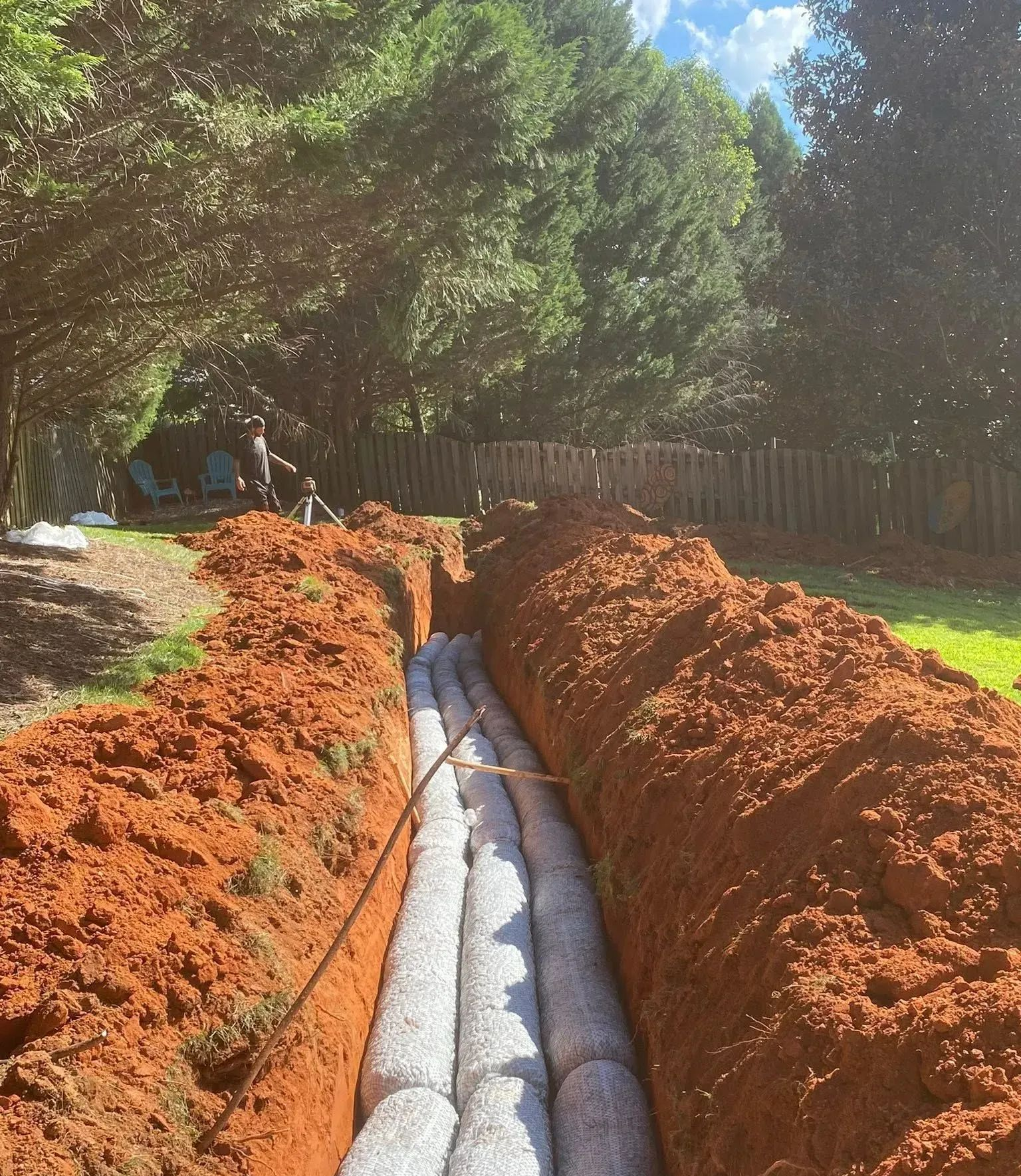
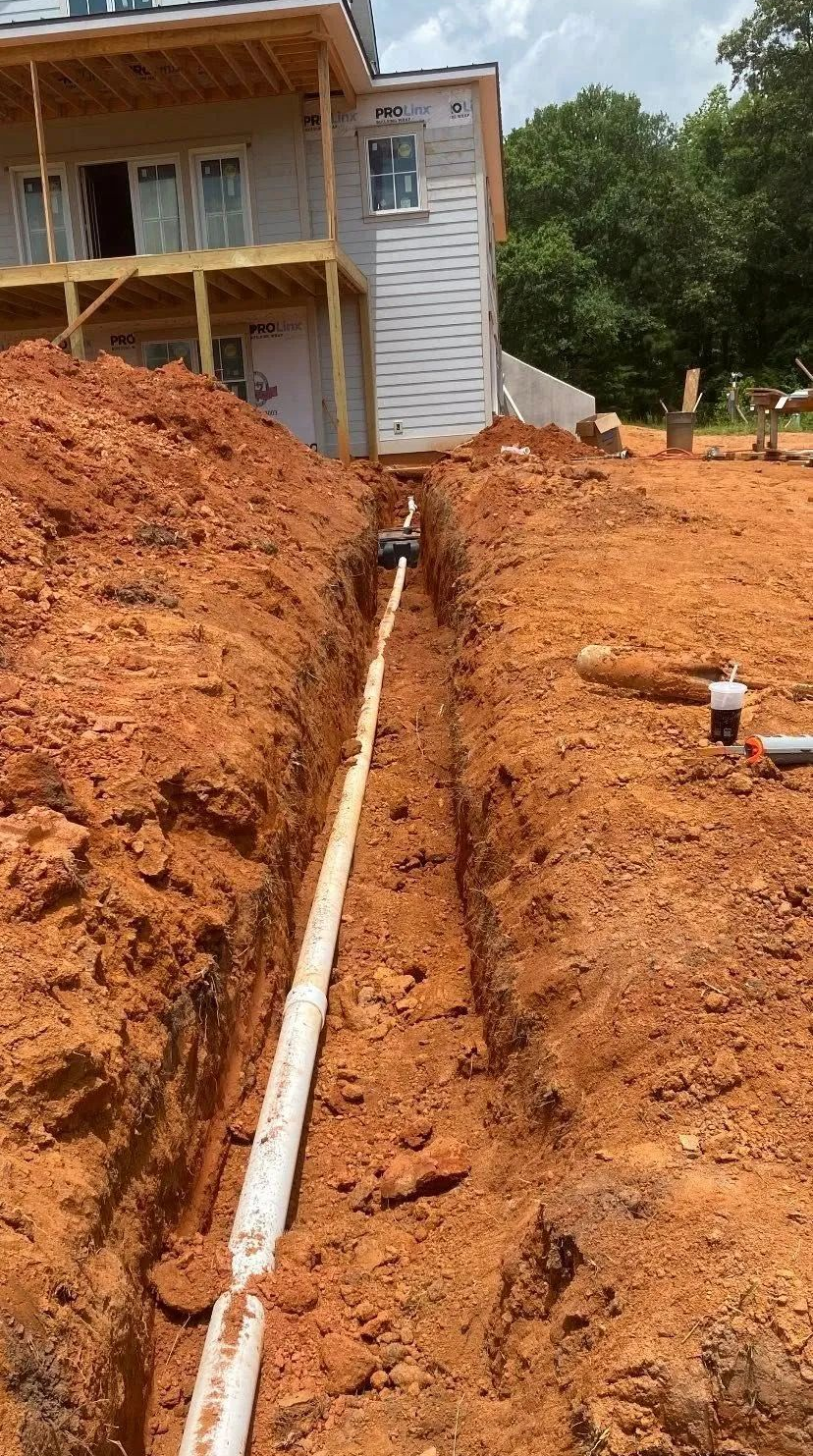
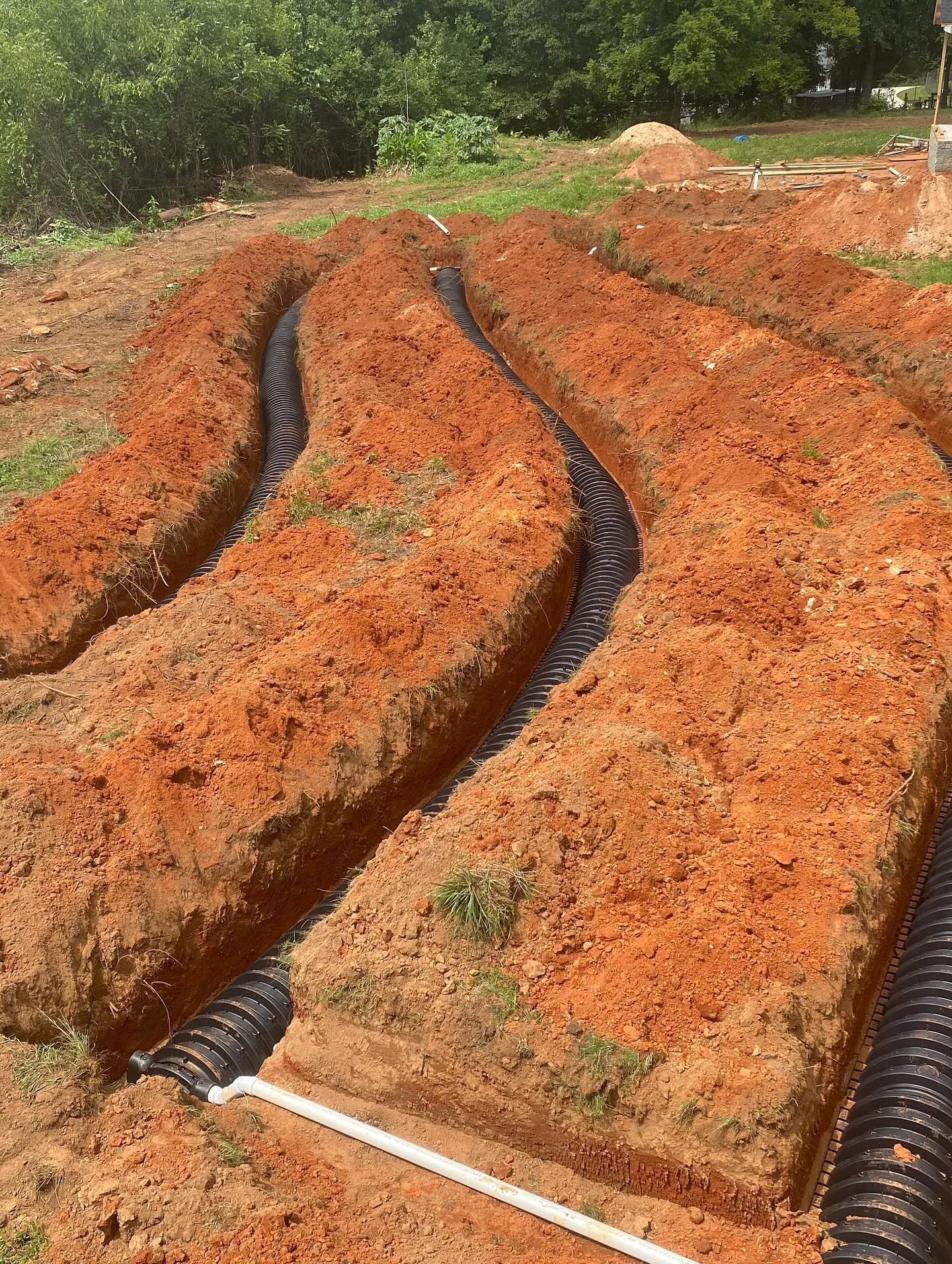
A drain field is a network of perforated pipes or chambers that distributes treated wastewater from a septic tank into the surrounding soil. The soil acts as a natural filter, removing harmful bacteria, viruses, and nutrients before the water reaches groundwater sources. Unlike the septic tank, which stores and partially treats wastewater, the drain field ensures complete and environmentally safe disposal.
How the Drain Field Works
Wastewater exits the septic tank and flows into the drain field under gravity. The perforations in the pipes allow water to seep into the soil, where microorganisms break down organic matter. The soil’s composition, porosity, and absorption capacity determine how effectively the field treats wastewater. A well-designed drain field maintains this process continuously, preventing backups, odors, and contamination.
Importance for Overall System Health
The drain field is arguably the most critical component of the septic system. A poorly installed field can lead to over-saturation, ponding on the surface, and system failure. Professional installation ensures that the field matches the expected load of the household, the soil characteristics, and local regulations, ultimately extending the lifespan of the entire system.
2. Risks of Improper Drain Field Installation
Soil Mismanagement and Drainage Issues
Incorrect assessment of soil type is one of the leading causes of drain field failure. Clay-heavy soils may prevent proper absorption, while sandy soils may drain too quickly, leaving insufficient time for natural filtration. Without professional analysis, homeowners risk recurring backups and environmental hazards.
Example Scenario: A homeowner installs a drain field without proper soil testing. Within a few months, wastewater begins surfacing in the yard, creating unsanitary conditions and attracting pests. Remediation costs far exceed initial savings from DIY installation.
Hydraulic Overload
Underestimating the wastewater volume can overload the drain field. Excessive load prevents proper treatment and causes early field saturation. Professional installers calculate hydraulic loads based on household size, fixtures, and anticipated usage, ensuring the system operates efficiently over the long term.
Environmental Contamination
An improperly functioning drain field can introduce untreated wastewater into groundwater or nearby streams. This poses serious health risks, including contamination of drinking water sources with bacteria, nitrates, and other harmful substances. Expert installation minimizes these risks by ensuring proper filtration and adherence to local environmental codes.
3. Best Practices for Professional Drain Field Installation
Comprehensive Site Assessment
Before installation, professionals conduct a thorough site assessment, including soil testing, topographical evaluation, and hydrological study. This step determines the optimal location, layout, and size of the drain field. Without this, homeowners risk building on unsuitable terrain or areas prone to flooding.
Correct Sizing and Design
Drain field sizing is critical. A system too small will fail quickly, while an oversized system may be unnecessarily expensive. Professionals use calculations based on household wastewater output, soil percolation rates, and local code requirements to design an appropriately sized field.
Installation of High-Quality Materials
The choice of materials directly impacts the field’s longevity. Professional installers use durable perforated pipes, chambers, and gravel layers that resist clogging and withstand environmental pressures. Proper compaction and leveling prevent uneven settling and ponding.
Layered Soil and Gravel Configuration
Correct layering of gravel and soil ensures uniform water dispersion and prevents clogging. Professionals often use specialized geotextile fabrics to prevent soil infiltration into the gravel bed, extending the drain field’s life and maintaining system efficiency.
4. Maintenance Considerations for Long-Term Health
Regular Inspections
Even the best-installed drain field requires periodic inspection. Professionals can identify early signs of stress, such as slow drainage, wet spots, or foul odors, before they escalate into system-wide failures. Routine inspections can extend the life of a drain field by years.
Septic Tank Pumping
Regular septic tank pumping reduces solids entering the drain field, preventing clogging and premature failure. Homeowners often underestimate the importance of this routine maintenance, but it is crucial for preserving the drain field’s functionality.
Landscaping and Load Management
Professional guidance ensures the area above the drain field is free from heavy structures, vehicles, and deep-rooted plants. Roots can infiltrate pipes, and excessive weight can compact the soil, reducing its absorption capacity. Maintaining proper landscaping safeguards long-term performance.
Early Problem Detection
Professionals often recommend monitoring devices or alarm systems to detect abnormal flow patterns or saturation. Early detection allows homeowners to address issues promptly, minimizing repair costs and avoiding environmental hazards.
5. Real-World Benefits of Professional Installation
Cost Savings Over Time
Investing in professional installation may seem expensive initially, but it prevents frequent repairs, emergency pumping, and premature system replacement. Homeowners often save thousands of dollars over the system’s lifespan by relying on trained experts.
Example Scenario: A family who invested in a professionally designed and installed drain field avoided repeated clogging issues over ten years. Their neighbors, with DIY installations, faced multiple failures and costly replacements within five years.
Enhanced Property Value
A well-maintained and professionally installed septic system adds tangible value to a property. Prospective buyers are more confident in the system’s reliability, which can make a home more marketable.
Environmental Protection
Proper installation ensures wastewater is safely filtered and absorbed into the soil, protecting local groundwater and ecosystems. Professional oversight reduces the likelihood of contamination, aligning with environmental regulations and sustainable practices.
Peace of Mind
Professional installation offers homeowners reassurance that their system is designed to function efficiently for decades. Knowing that the drain field is constructed according to best practices reduces stress and prevents disruptive emergency repairs.
6. Expert Recommendations for Homeowners
Choose Certified Professionals
Hiring certified septic system installers ensures compliance with local regulations and adherence to industry standards. Certified professionals bring technical knowledge, specialized equipment, and experience that DIY efforts or unlicensed contractors may lack.
Prioritize Site Assessment and Design
Homeowners should insist on comprehensive soil and site analysis before approving installation plans. A correctly designed field tailored to specific site conditions is the cornerstone of long-term system health.
Commit to Routine Maintenance
A professionally installed drain field still requires care. Homeowners should establish a maintenance schedule for inspections, pumping, and landscaping management. Following expert advice extends system life and prevents unexpected failures.
Avoid Shortcuts
Cutting corners on materials, excavation, or design may reduce upfront costs but leads to frequent problems. Long-term savings and system reliability are directly tied to quality installation practices.
Reliable Tri-City Septic Installation for System Longevity
Professional drain field installation is a critical step in ensuring the longevity, efficiency, and environmental safety of a septic system. From careful site assessment and soil analysis to proper design, material selection, and installation, every decision impacts the overall health of the system. Failing to engage qualified professionals can result in costly repairs, system failures, and environmental hazards that far outweigh the initial savings of DIY efforts. Routine maintenance, inspections, and adherence to best practices further reinforce the system’s durability, offering homeowners peace of mind and long-term cost savings.
At Tri-City Septic
in Anderson, South Carolina, we bring over 10
years of experience in designing and installing high-quality drain fields that stand the test of time. Our team combines technical expertise with personalized service to ensure every septic system operates efficiently and safely. From initial site assessment to precise installation and ongoing maintenance guidance, we prioritize reliability, compliance, and environmental stewardship. Homeowners can trust Tri-City Septic
to deliver professional, long-lasting solutions tailored to their property’s unique needs, protecting both their investment and the surrounding community.