Why DIY Septic Installation Is a Bad Idea: Risks, Costs, and Safety Concerns
March 16, 2026
Installing a septic system may seem like a manageable task for experienced DIY homeowners, particularly those confident in handling construction or plumbing projects. With countless tutorials, online videos, and do-it-yourself guides available, it’s easy to believe that septic installation is simply a matter of following instructions and digging a few trenches. However, the reality is far more complex. Septic systems are critical components of a home’s sanitation infrastructure, responsible for safely treating wastewater and preventing contamination of surrounding soil and groundwater. A poorly installed system can lead to severe environmental hazards, costly repairs, and long-term health risks, making DIY attempts a risky proposition.
For homeowners considering taking on this challenge, understanding the stakes is crucial. Beyond the physical labor, septic installation involves regulatory compliance, soil analysis, system design, and precise construction techniques. Mistakes in any of these areas can compromise the system’s performance, lead to legal repercussions, and drastically increase overall costs. As such, professional installation is not merely a convenience—it is a necessary safeguard. This article explores why attempting a DIY septic system is fraught with dangers, high costs, and safety concerns, offering expert insights and real-world examples to highlight the importance of relying on trained professionals for this vital home improvement project.
Understanding Septic Systems: Complexity Behind the Surface
How Septic Systems Work
A septic system is more than a simple underground tank; it is a carefully engineered wastewater treatment solution. Wastewater from the home flows into a septic tank, where solids settle, and liquids are partially treated before moving into a drain field for further filtration. This delicate balance ensures that harmful pathogens are removed and groundwater remains safe. Even minor errors in installation can disrupt this process, leading to system failure, foul odors, or contamination.
Technical Requirements of Installation
Septic installation is governed by stringent technical requirements. Factors such as tank size, soil type, slope, and distance from water sources are critical in determining system design. Professionals use soil percolation tests and precise calculations to ensure proper drainage and avoid system overload. DIY attempts rarely account for these variables, increasing the likelihood of poor performance and environmental hazards.
Regulatory Compliance Matters
Local and state regulations dictate septic system installation to protect public health. Permits, inspections, and adherence to building codes are mandatory in most regions. DIY installations can inadvertently violate these rules, resulting in fines, legal liability, or mandatory system removal. Professional installers are well-versed in regulatory compliance, ensuring that every aspect of the system meets safety and environmental standards.
Risks of DIY Septic Installation
Structural Failures and Environmental Damage
One of the most significant risks of DIY septic installation is structural failure. Improperly graded drain fields or incorrectly positioned tanks can lead to wastewater pooling on the surface or leaching into nearby water sources. This not only damages the environment but can also compromise the health of residents. For example, untreated sewage runoff may contaminate local wells, rivers, or lakes, posing serious risks to humans and wildlife alike.
Health Hazards
Septic systems handle raw human waste, which contains harmful bacteria, viruses, and parasites. During installation, improper handling can result in exposure to pathogens that cause gastrointestinal illnesses, skin infections, and other serious health issues. Professionals follow strict safety protocols, including protective equipment and proper sanitation practices, to minimize these risks. DIY installers often underestimate these hazards, putting themselves and their families in danger.
Hidden Underground Hazards
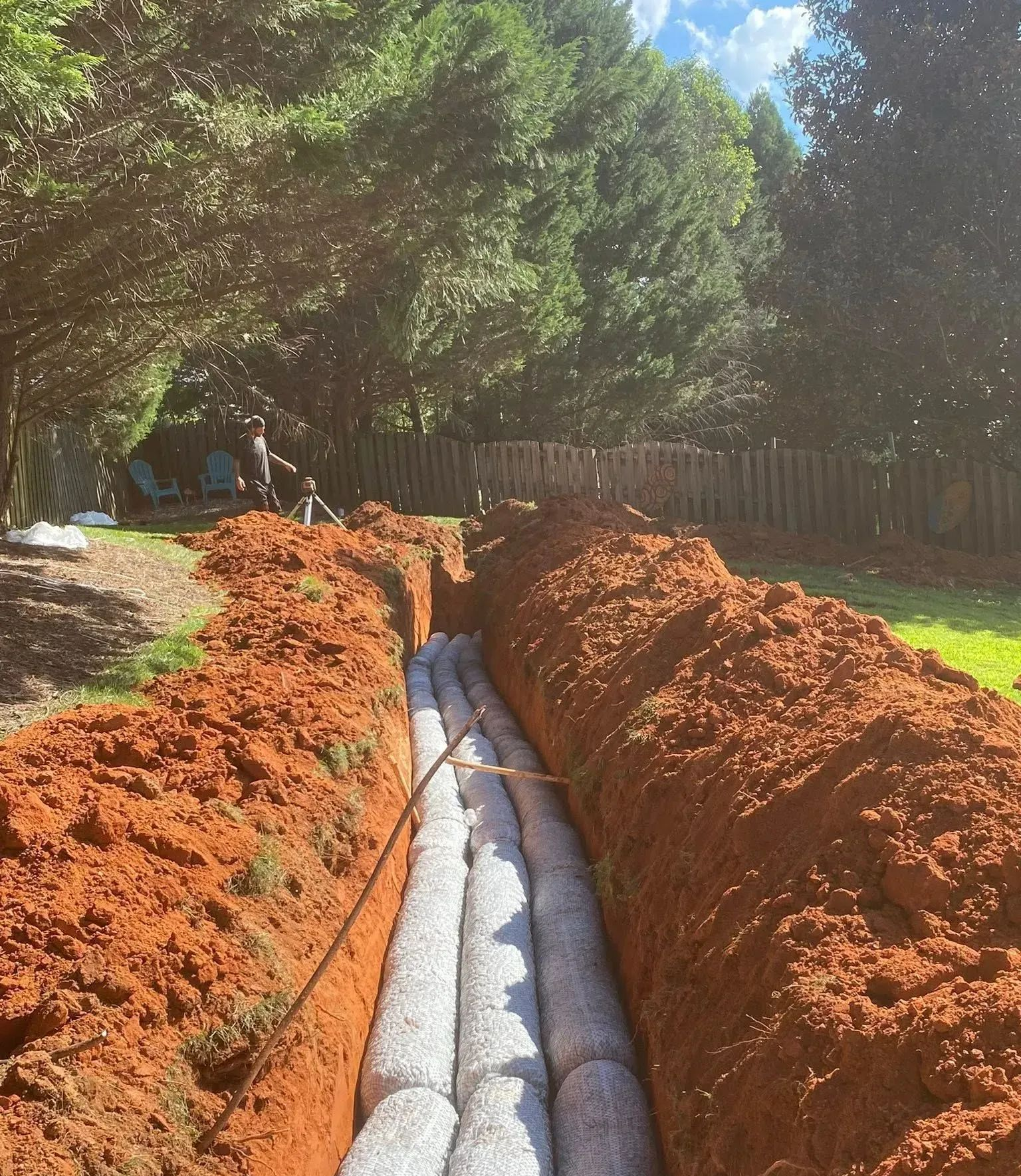
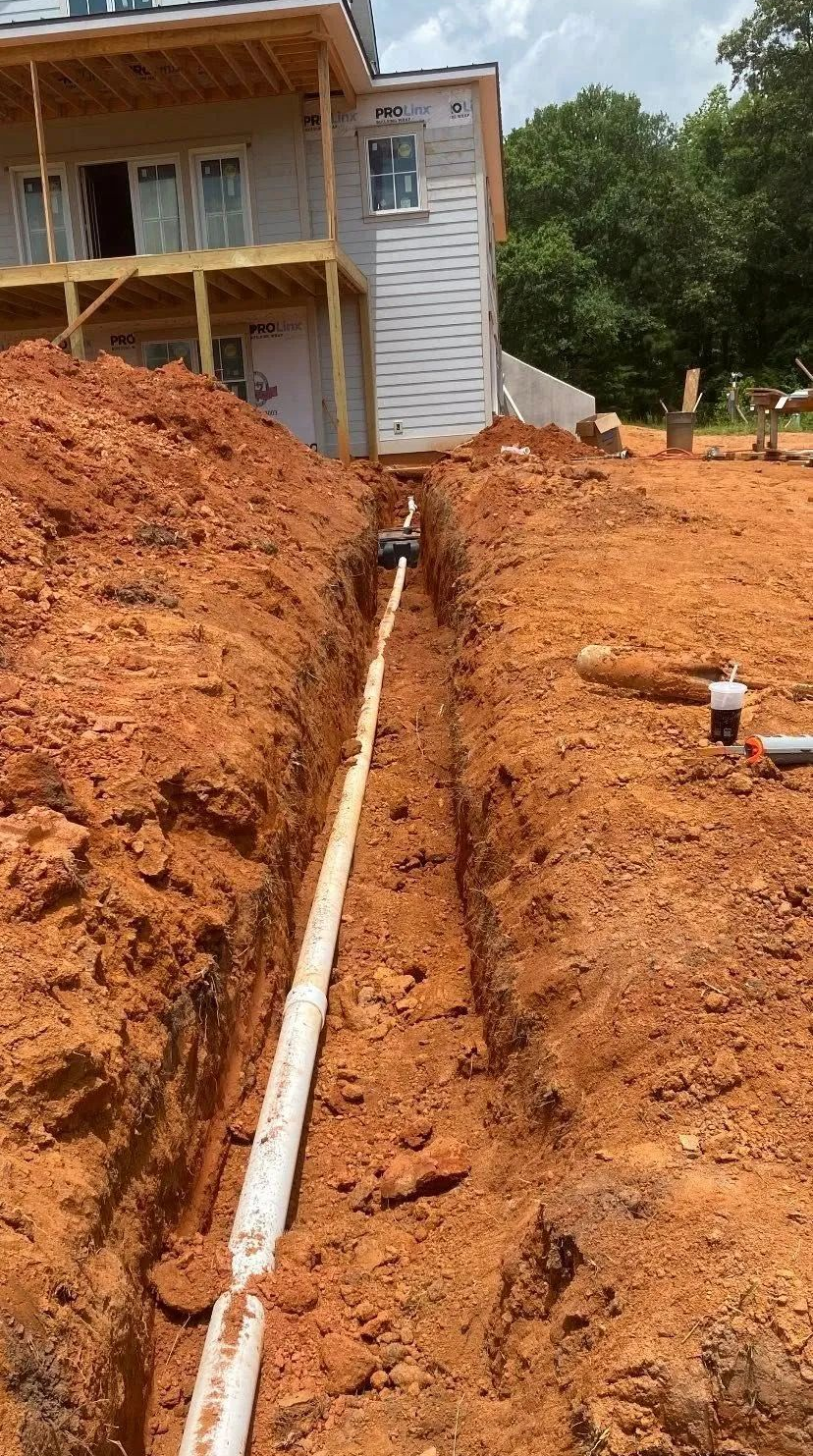
Excavating for a septic system is not just about digging a hole. Underground utilities, including gas lines, electrical conduits, and water pipes, may be present. Hitting one of these can cause explosions, electrocution, or flooding. Professional installers use utility location services and safety equipment to avoid such accidents, a precaution often overlooked by DIY enthusiasts. Ignoring these risks can result in property damage, injury, or even fatal accidents.
Financial Implications of DIY Attempts
Unexpected Costs and Repairs
While DIY projects are often motivated by cost savings, septic installation presents the opposite scenario. Mistakes during excavation, tank placement, or drainage installation often lead to expensive repairs or complete system replacement. For example, a misaligned drain field may require re-excavation, additional materials, and repeated inspections, easily adding thousands of dollars in unexpected expenses.
Reduced Property Value
A poorly installed septic system can negatively impact a property’s resale value. Home inspections often include septic evaluations, and evidence of substandard installation may deter potential buyers or reduce offers. Professional systems, conversely, come with warranties and proper documentation, assuring buyers of the home’s safety and functionality.
Insurance and Liability Issues
Homeowner insurance policies may not cover damages resulting from a DIY septic installation. If a system fails and causes property damage or environmental contamination, the homeowner is typically liable for all associated costs. Professional installers carry liability insurance, mitigating financial risks and ensuring that any installation errors are addressed by the contractor rather than the property owner.
Safety Concerns in DIY Septic Projects
Excavation and Equipment Hazards
Septic installation requires heavy machinery, including excavators, backhoes, and compactors. Operating this equipment without proper training increases the risk of accidents, property damage, or personal injury. Professionals undergo extensive training to operate machinery safely and efficiently, reducing the likelihood of costly mishaps. DIY operators may underestimate the skill required, leading to accidents that could have been prevented.
Handling Toxic Materials
Septic tanks and related components often involve materials that can be hazardous if mishandled, such as chemicals used in cleaning or sealing. Exposure to these substances without appropriate protective gear can cause chemical burns, respiratory issues, or other health complications. Licensed installers follow strict safety guidelines to ensure safe handling and disposal, protecting both themselves and the environment.
Long-Term System Integrity
Even if a DIY installation initially appears successful, long-term issues can arise. Poorly compacted soil, inadequate venting, or substandard materials can lead to system failure over time. Correcting these issues often requires extensive excavation and replacement, further compounding costs and safety risks. Professionals design systems with longevity in mind, using quality materials and precise construction methods to prevent future problems.
Common Mistakes Homeowners Make
Skipping Soil Testing
Many DIY installers overlook soil testing, assuming the existing ground is suitable for a septic system. Soil percolation rates are essential for proper drainage and bacterial filtration. Failure to conduct these tests can result in system overload, surface pooling, or contamination. Professionals routinely perform these tests to ensure the chosen site is viable for long-term operation.
Incorrect Tank Sizing
Choosing the wrong tank size is a frequent mistake. Undersized tanks may overflow quickly, while oversized tanks can create unnecessary expense and maintenance challenges. Professionals calculate tank size based on household water usage, soil characteristics, and local regulations, optimizing both performance and cost-effectiveness.
Neglecting Drain Field Design
A drain field must be properly graded, leveled, and positioned to ensure efficient wastewater dispersion. DIY attempts often underestimate the complexity of this design, resulting in clogged lines, backflow, or system failure. Professional installers use engineering principles and field experience to create functional, long-lasting drainage solutions.
Ignoring Local Permits
Some homeowners assume they can bypass permits or inspections. This oversight can result in legal penalties and forced system removal. Licensed installers ensure that all necessary permits are obtained, inspections are scheduled, and the system meets regulatory requirements, protecting homeowners from fines and legal complications.
Benefits of Professional Septic Installation
Expert Knowledge and Experience
Professional septic installers bring years of experience and technical knowledge to each project. They understand soil types, tank options, drainage techniques, and local regulations, providing solutions tailored to the property’s unique needs. This expertise reduces the risk of failure and maximizes system efficiency and lifespan.
Comprehensive Safety Measures
Licensed installers prioritize safety for themselves and homeowners. From protective equipment to utility detection and proper machinery operation, professionals follow strict protocols to minimize risks. These precautions protect lives, property, and the surrounding environment, offering peace of mind that DIY projects rarely provide.
Long-Term Cost Savings
While hiring a professional may appear more expensive upfront, it often saves money in the long run. Proper installation minimizes maintenance issues, reduces the likelihood of costly repairs, and ensures regulatory compliance. Additionally, professional systems often come with warranties, further protecting homeowners’ investments.
Environmental Protection
Properly installed septic systems prevent contamination of groundwater and surface water, protecting both the local ecosystem and human health. Professionals understand how to design systems that meet environmental standards, ensuring that wastewater is treated effectively and safely. DIY installations, in contrast, can inadvertently cause pollution and long-term ecological damage.
Dependable Septic Services Offered by Tri-City Experts
DIY septic installation may seem appealing for homeowners seeking cost savings or a sense of accomplishment. However, the complexities, risks, and potential consequences make this a project that is best left to professionals. From structural failures, environmental contamination, and serious health hazards to unexpected costs, legal issues, and long-term system integrity concerns, the dangers of attempting a DIY septic system far outweigh any perceived benefits. Proper planning, technical knowledge, regulatory compliance, and safety precautions are not optional—they are essential to ensuring a functional, safe, and long-lasting septic system.
For homeowners in need of reliable septic services, Tri-City Septic
in Anderson, South Carolina, stands out as a trusted authority with over 10
years of experience. Choosing Tri-City Septic
ensures that your
septic system
is installed correctly, functions efficiently, and protects your home and community. Our reputation for professionalism, quality workmanship, and knowledgeable service makes us the go-to partner for septic needs, offering peace of mind and long-term value for homeowners. By relying on our experienced team, you avoid the pitfalls of DIY installation while ensuring the health, safety, and longevity of your property’s septic system.