Some Drain Field Lines Wet and Others Bone Dry? The Distribution Box Is Usually Why
July 15, 2026
Quick Answer: When some drain field lines run wet while others stay bone dry, the problem is almost always uneven flow out of the distribution box, the small junction between your septic tank and the field. If that box has settled out of level, has a partly clogged outlet, or has cracked, effluent stops splitting evenly and pours into one trench while starving the rest. The overloaded line saturates and surfaces while the dry lines sit unused. Pumping the tank will not fix it, because the fault is in how the flow is being divided, not in the tank itself.
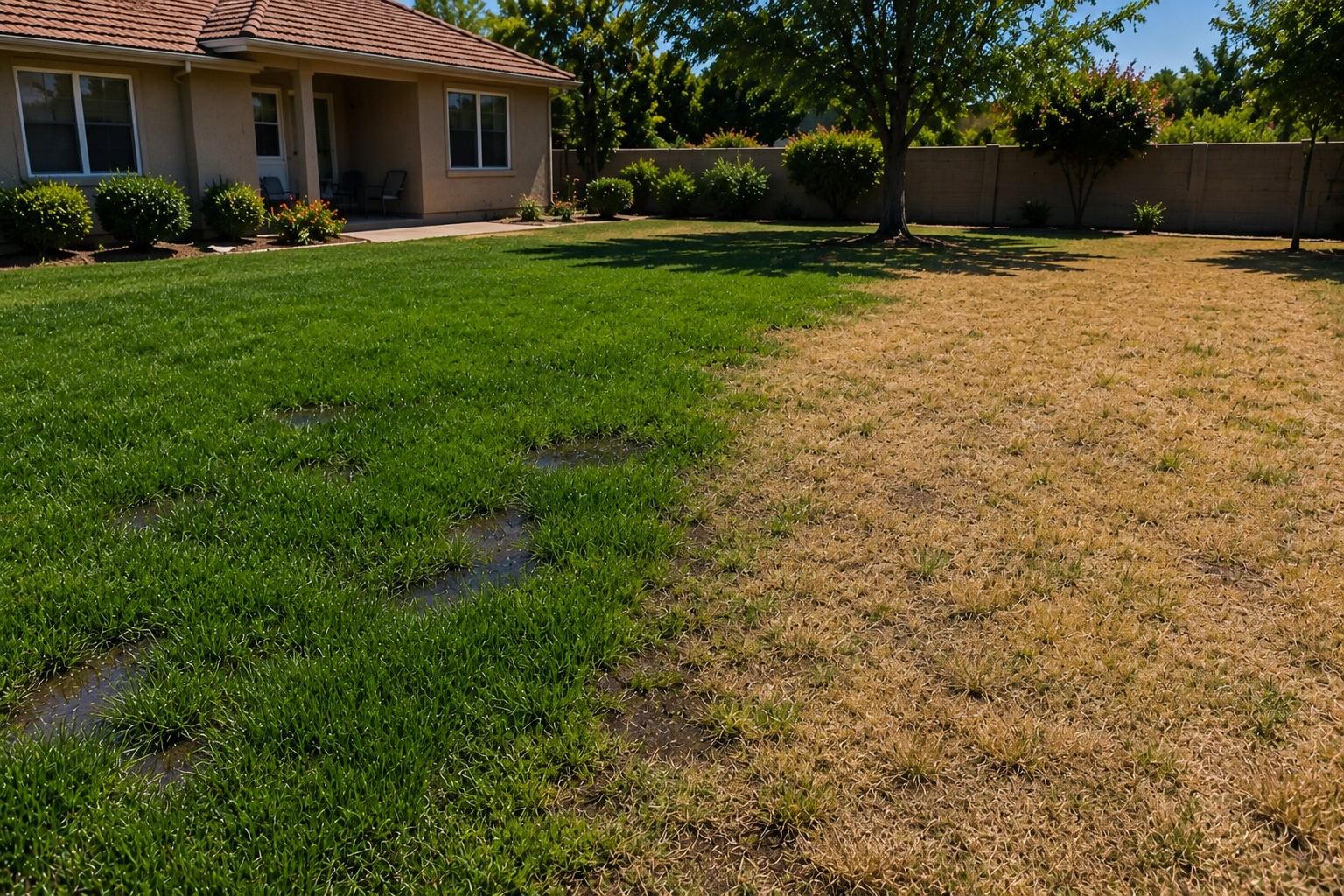
You are walking the yard a day or two after mowing and you notice it. One strip of grass over the drain field is spongy, maybe squishing a little underfoot, and the blades there are taller and darker green than everything around them. Step a few feet over to the next line and the ground is dry and firm, the grass ordinary. Same field, same house, same rainfall, yet one trench looks waterlogged and the one beside it looks like it is barely being used.
That split personality is one of the clearest signs in the whole septic world, and it points almost every time to the same component: the distribution box. Wastewater is supposed to leave your tank and get divided evenly among all the drain field lines. When it stops dividing evenly, one line drowns and the others go idle. Here is what is happening below the grass, why it shows up the way it does, and how the actual cause gets pinned down.
What the Distribution Box Actually Does
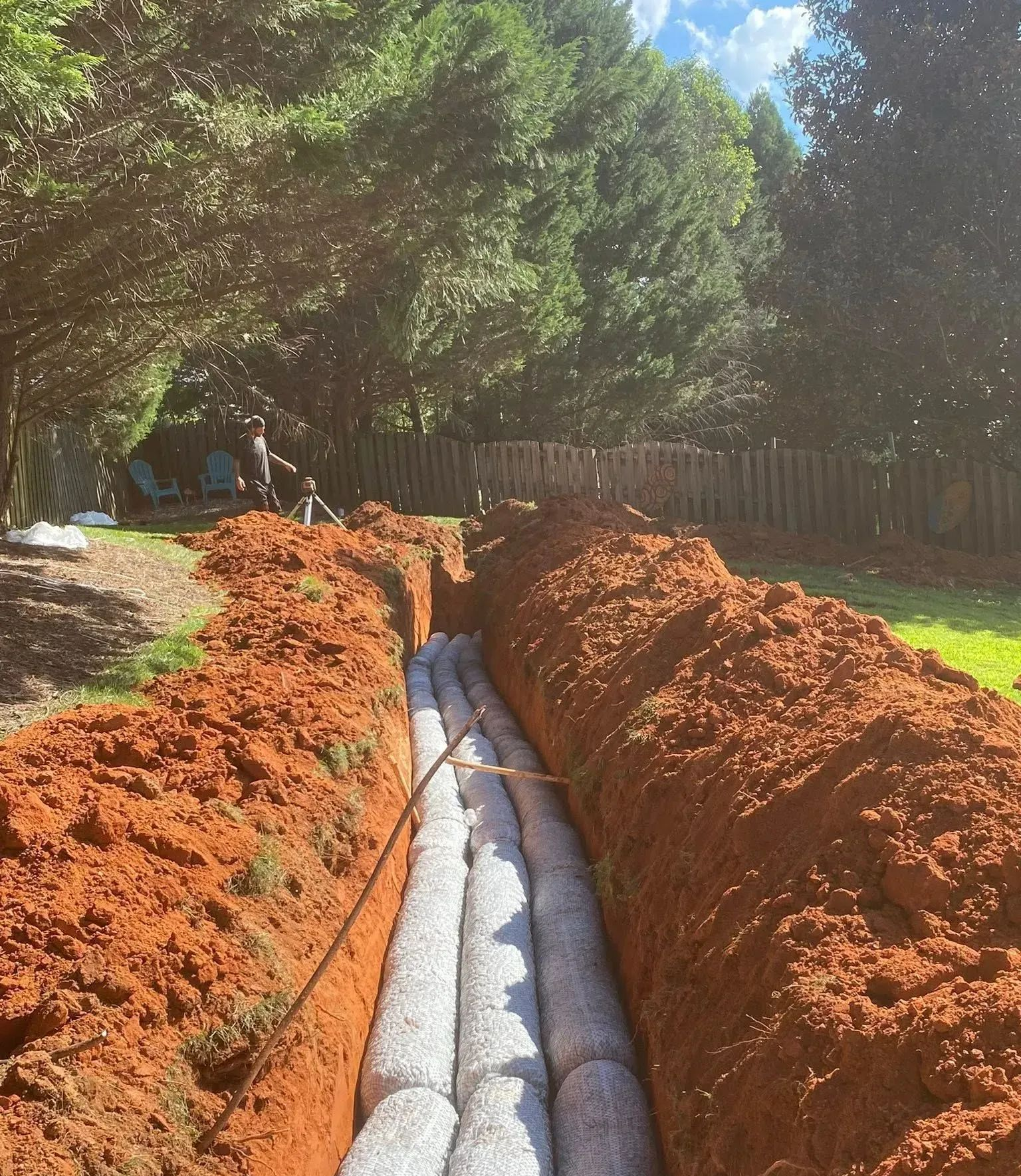
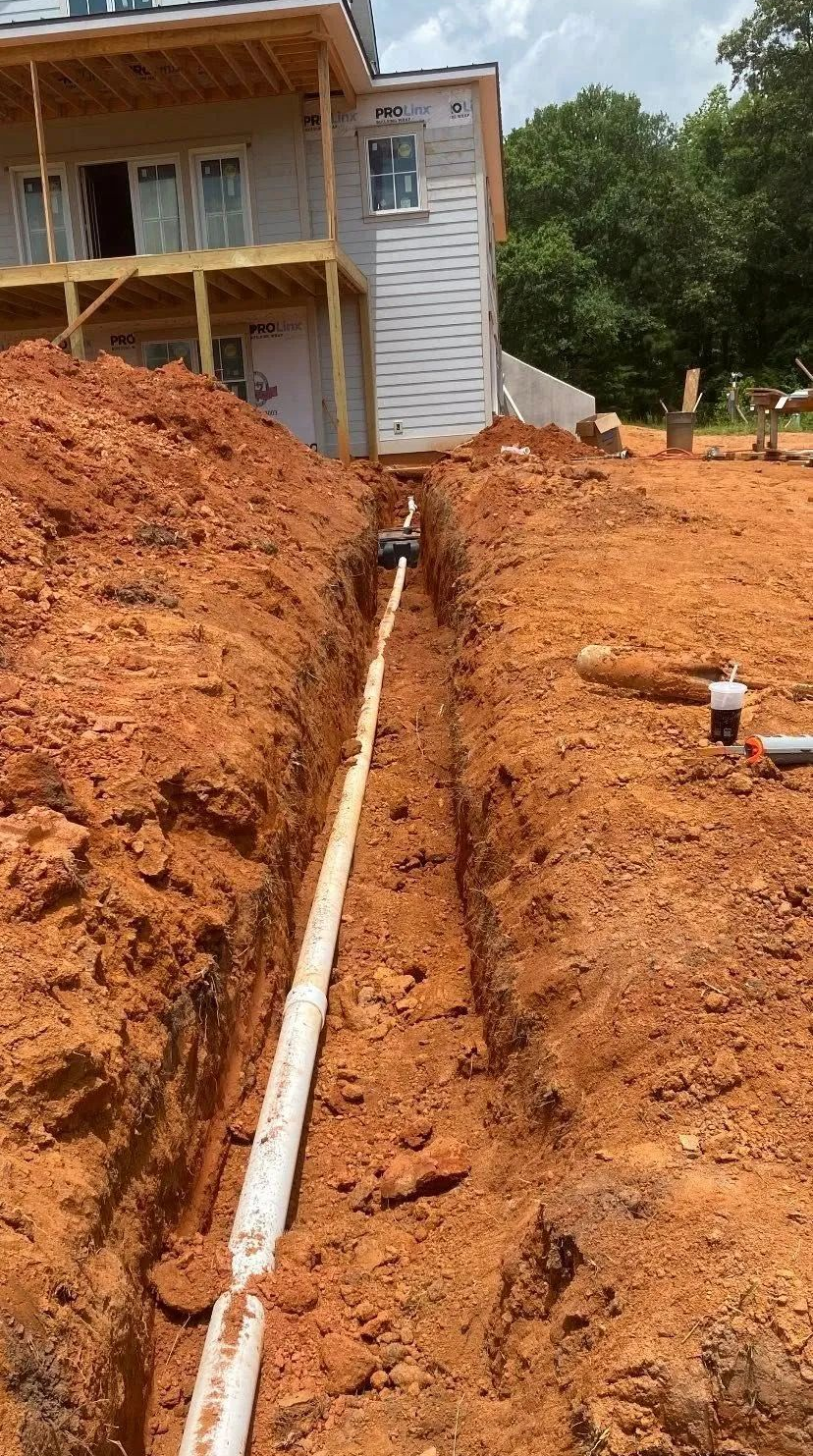
Your septic system moves water in stages. Solids settle in the tank, and the clarified liquid on top, called effluent, flows out toward the drain field to soak into the soil. The distribution box, or D-box, is the concrete or plastic junction that sits between the two. Effluent enters from the tank on one side, and several outlet pipes leave the other side, one for each drain field line.
Even outlets, even flow
The whole design depends on those outlet pipes sitting at the same height. When the box is level and clean, liquid rises inside it and spills out of every outlet at roughly the same rate, so each drain field line gets its fair share and each stretch of soil handles a manageable load. That balance is what lets a field last for decades. Every trench does part of the work, and no single line gets pushed past what the soil under it can absorb.
Why balance matters so much
Soil can only accept so much water per day before it saturates. When flow is spread across every line, the numbers stay comfortable. But send most of the flow down one line, and that trench is suddenly doing the job of three or four. The soil there stays wet, the wet pushes to the surface, and that single overloaded line starts to fail while the rest of a perfectly good field sits dry and unused a few feet away.
Why One Line Floods and the Next Stays Dry
The most common reason for the wet-line, dry-line pattern is a box that has shifted out of level. It does not take much.
A box that has settled or tilted
These boxes are buried in soil, and soil moves. Over the years it settles, erodes, freezes and thaws, and shifts, and the box can tip a fraction of an inch off level. Once it tilts, liquid no longer reaches every outlet at the same height. It runs downhill to the lowest outlet and pours out there first, so that one drain field line takes the bulk of the flow while the higher outlets barely trickle. The result is exactly what you saw in the yard: one saturated trench, the neighbors bone dry. In the Upstate, where red clay shrinks in dry spells and swells after heavy rain, that ground movement works on a buried box year after year, and a box that was dead level at installation can quietly drift out of true.
A clogged or partly blocked outlet
Sometimes the box is still level but one of the outlet pipes is choked. Solids that carry over from the tank, sediment, or a mat of roots can partly plug an outlet. Flow takes the path of least resistance and shoves down the open outlets instead, overloading them while the blocked line goes dry. If several outlets clog and effluent cannot exit at all, water backs up toward the tank and the whole field starves, but a single partial clog produces that same lopsided wet-and-dry look.
Tip: Before you call anyone, walk the drain field and note the pattern in plain terms. Which strip is wet, is it the closest line to the tank or a far one, and does the wet spot sit right over a line or off to the side. Snap a couple of photos on a dry day and again after a rain. That simple map of where the water is and is not tells a technician a great deal about whether the box has tilted toward one outlet, whether a single line is blocked, or whether the field itself is the constraint, and it can shorten the time spent digging around to find out.
The Other Faults That Throw the Flow Off Balance
A tilted or clogged box covers most cases, but a few other problems produce the same symptom and are worth knowing about, because the fix is different for each.
Crushed laterals and root intrusion
Uneven drain field flow can result from crushed pipes or tree roots blocking individual laterals. When one line cannot carry wastewater, flow shifts to remaining trenches, overloading them while the damaged line receives little or no effluent.
A cracked or crumbling box
Older concrete distribution boxes can crack, deteriorate, or lose their structural integrity over time. Damaged outlets and broken walls prevent even wastewater distribution, making replacement necessary when cleaning or releveling can no longer restore proper performance.
A drain field that is already saturated
A saturated drain field can produce symptoms similar to a faulty distribution box. When soil can no longer absorb wastewater because of age or excess groundwater, balancing the box alone will not resolve the underlying drainage problem.
How the Real Cause Gets Sorted Out
Because so many faults produce the same wet-and-dry pattern, the only way to know which one you have is to open the box and look. A technician digs down to the distribution box, lifts the lid, and checks the things you cannot see from the surface.
Checking level and flow
A technician first confirms whether the distribution box is level and evenly distributing wastewater to every outlet. Uneven flow often indicates a tilted box or blocked outlet, helping identify whether the problem lies in the box or an individual drain line.
Checking structure and outlets
The distribution box is inspected for cracks, root intrusion, blockages, and damaged outlets. Depending on its condition, technicians may clean, relevel, repair, or replace the box to restore balanced wastewater distribution throughout the drain field.
Confirming the field can still take it
After evaluating the distribution box, technicians assess whether the drain field soil still absorbs wastewater properly. If the field remains functional, restoring even flow may solve the problem. If soil absorption has failed, additional drain field repairs become necessary.
Frequently Asked Questions
Why is one drain field line wet and the others completely dry?
A wet drain line beside dry ones usually means wastewater is not leaving the distribution box evenly. A tilted box or partially blocked outlet overloads one trench while the remaining lines receive little or no flow.
Will pumping my septic tank fix an uneven drain field?
No. Pumping removes accumulated solids from the septic tank but does not correct a tilted distribution box or blocked outlet. If wastewater still flows unevenly, the same drain field line will continue becoming overloaded after pumping.
Can heavy rain make an uneven drain field look worse?
Yes. Heavy rainfall saturates the surrounding soil, reducing its ability to absorb wastewater. An already overloaded drain line is more likely to become soggy or surface, revealing an existing distribution problem that dry conditions previously concealed.
Does a cracked distribution box always need to be replaced?
Not always. Boxes with damaged outlets or structural failures usually require replacement, while those affected by settling or blockages can often be releveled or cleaned. A professional inspection determines which repair is appropriate for your system.
How do I know if it is the box or the drain field itself?
One consistently wet drain line beside dry ones often indicates a distribution box problem. If the entire drain field is saturated, the issue is more likely poor soil absorption or groundwater. Inspection provides the definitive answer.
Can tree roots cause uneven flow to my drain field lines?
Yes. Tree roots naturally seek moisture and can enter distribution boxes or drain lines through small openings. Partial blockages redirect wastewater to other trenches, creating uneven flow and increasing the risk of localized drain field failure.
Getting the Field Back in Balance
A drain field with one drowned line and the rest bone dry is not a mystery, and it is usually not a sign the whole system is finished. It is the field telling you the flow stopped being divided evenly, and the distribution box is where that division happens. A box that settled a fraction off level, an outlet choked with solids or roots, a cracked structure, or a field already at capacity all show up as the same lopsided pattern, which is exactly why the fix starts with opening the box and looking rather than assuming. Catch it while only one line is overloaded and the rest of the field is still healthy, and you protect the good lines instead of losing them one at a time.
Schedule a
distribution box and drain field evaluation — If part of your yard stays soggy over one drain line while the rest of the field remains dry, your distribution box may be sending wastewater unevenly, putting unnecessary strain on part of the system. Our crew opens the box, checks for settling, blockages, and damaged outlets, inspects the drain lines, and evaluates whether the surrounding soil can still absorb the wastewater. We then recommend only the repairs your system actually needs, whether that means releveling, clearing blockages, or replacing damaged components. Backed by
10+ years of experience serving homeowners throughout
Anderson, South Carolina, Tri-City Septic provides honest, fair pricing and dependable 24/7 emergency support. Contact us today to schedule your evaluation and restore balanced flow across your entire drain field.